


.png)
Light in Dubai behaves like a practiced illusionist. It slips between glass towers, pools on wet sand, and stains the desert sky until the horizon looks hand-painted. At dusk, the city rearranges itself into small stages, each with its own tempo. Rooftops hum with low conversation and clinking glasses, promenades become slow parades of silhouettes, and the sea keeps every colour as if saving them for later.
Sit on a terrace, and the Burj reads like a single deliberate sentence. Sit on the beach, and the tide rewrites the sunset with every wave. Sit in the dunes, and the sky stretches so wide that colour seems to arrive before sound. These are not just places to watch the sun go down. They are places that ask you to notice how the light changes the way the city breathes.
Sunset in Dubai is not a single moment but a sequence. Colour moves across glass, sand, and water at different speeds, creating distinct atmospheres in each part of the city. From structured urban views to open horizons, these spots reveal how light rewrites the city every evening.
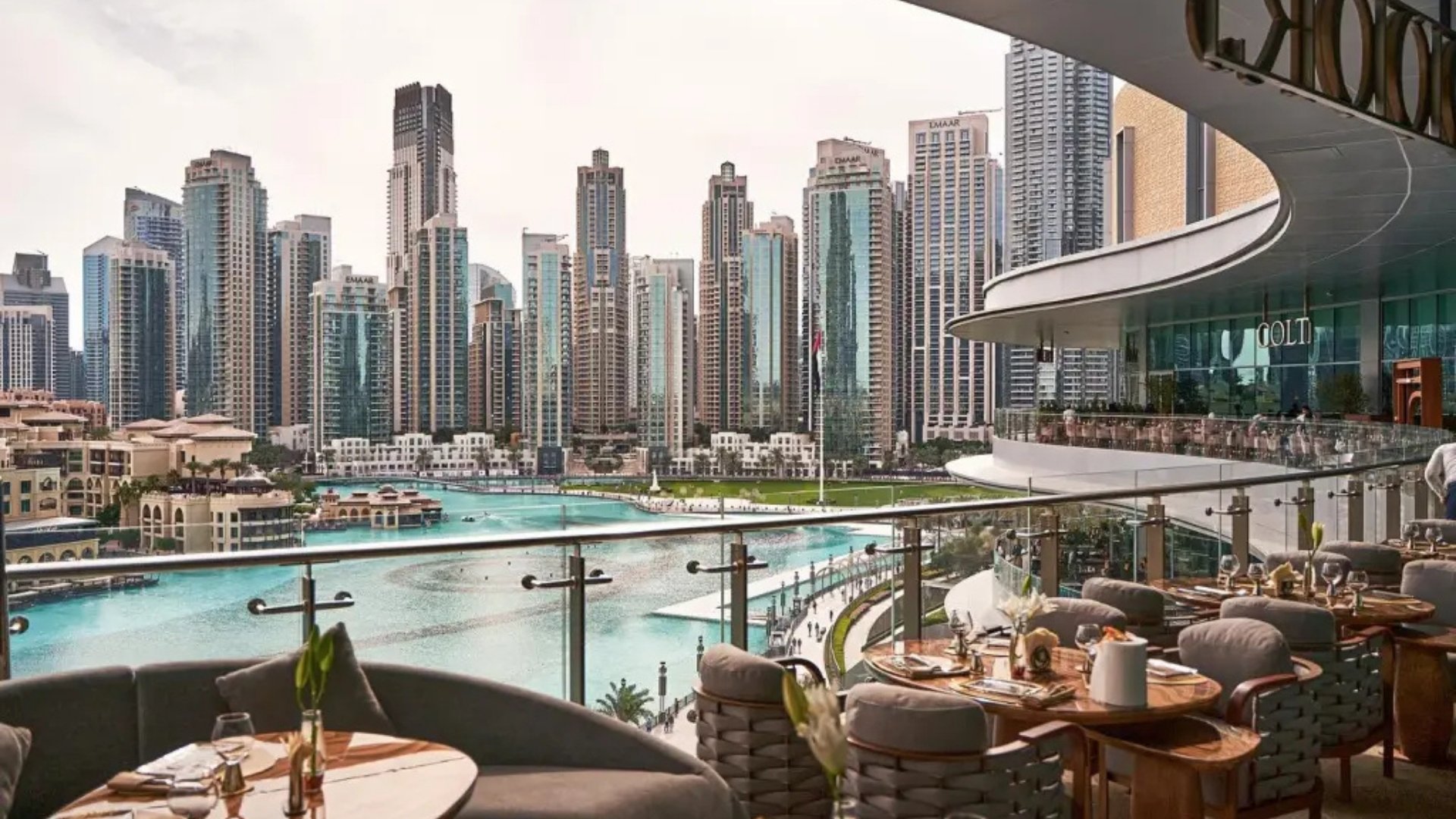
Light pools around the terrace like a private audience. The Burj Khalifa rises behind the fountain, and the restaurant frames the show so the city feels composed rather than accidental. Diners lean toward the glass as the fountain choreography begins and the tower shifts colour. The moment reads cinematic because everything is arranged to be seen.
For those carrying the night forward, Dubai’s after-dark scene offers plenty of options. Where the party never stops in Dubai explores what comes next.

The plaza breathes as the light tightens. The Burj lifts the last gold and then begins to glow, each LED shift folding into the fountain arcs that rise like punctuation. Polished stone keeps the colour and returns it doubled, and the crowd hushes into a single, soft exhale as water writes bright, liquid calligraphy into the air. Cameras click in rhythm, children point, and the whole scene reads like a public film still where every element is placed to be seen.
Photo notes
Planning around the fountain show timings can help you capture special moments or occasions, with Dubai Celebrations serving as a guide to make each performance feel perfectly timed.
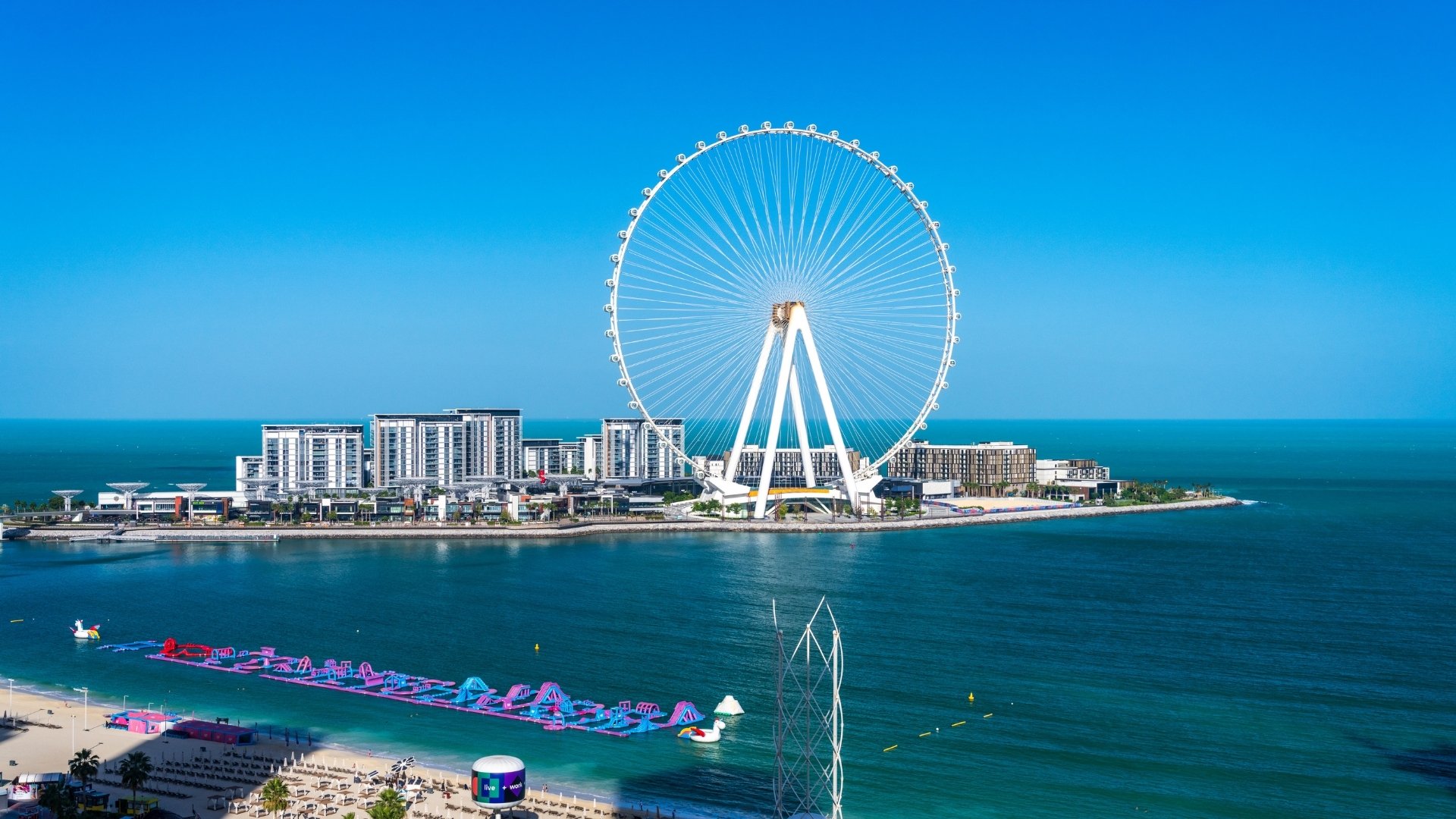
Sand cools underfoot, and the tide keeps stealing the light, returning it as a wet mirror that doubles every hue. The promenade hums with music and distant laughter while vendors fold up their stalls and couples slow their pace. Children chase the last foam, and footprints become temporary leading lines that the sea erases. The sunset here is social and tactile, a long, low performance that invites you to walk through it.
Photo notes

You move along a painted promenade where pastel facades catch the sun like small, deliberate canvases. Palms sketch thin shadows across boardwalk cafés, and the sea keeps a steady, forgiving glow. People linger on benches, and children trace shapes in the sand while the light softens into long, warm tones. The place feels curated but relaxed, like a seaside set designed for slow afternoons and easy frames.
Photo notes

Glass towers lean toward their reflections, and the water becomes a slow, vertical echo. Yachts bob like punctuation marks, and the boardwalk threads the scene with human scale. As the sun slides behind the high rises, the skyline tightens into silhouette and lights begin to stitch the towers into a luminous ribbon. The mood is urbane and kinetic, a long cityscape that rewards both wide panoramas and small, human moments.
Photo notes
Also Read: Dubai Nights to Welcome 2026
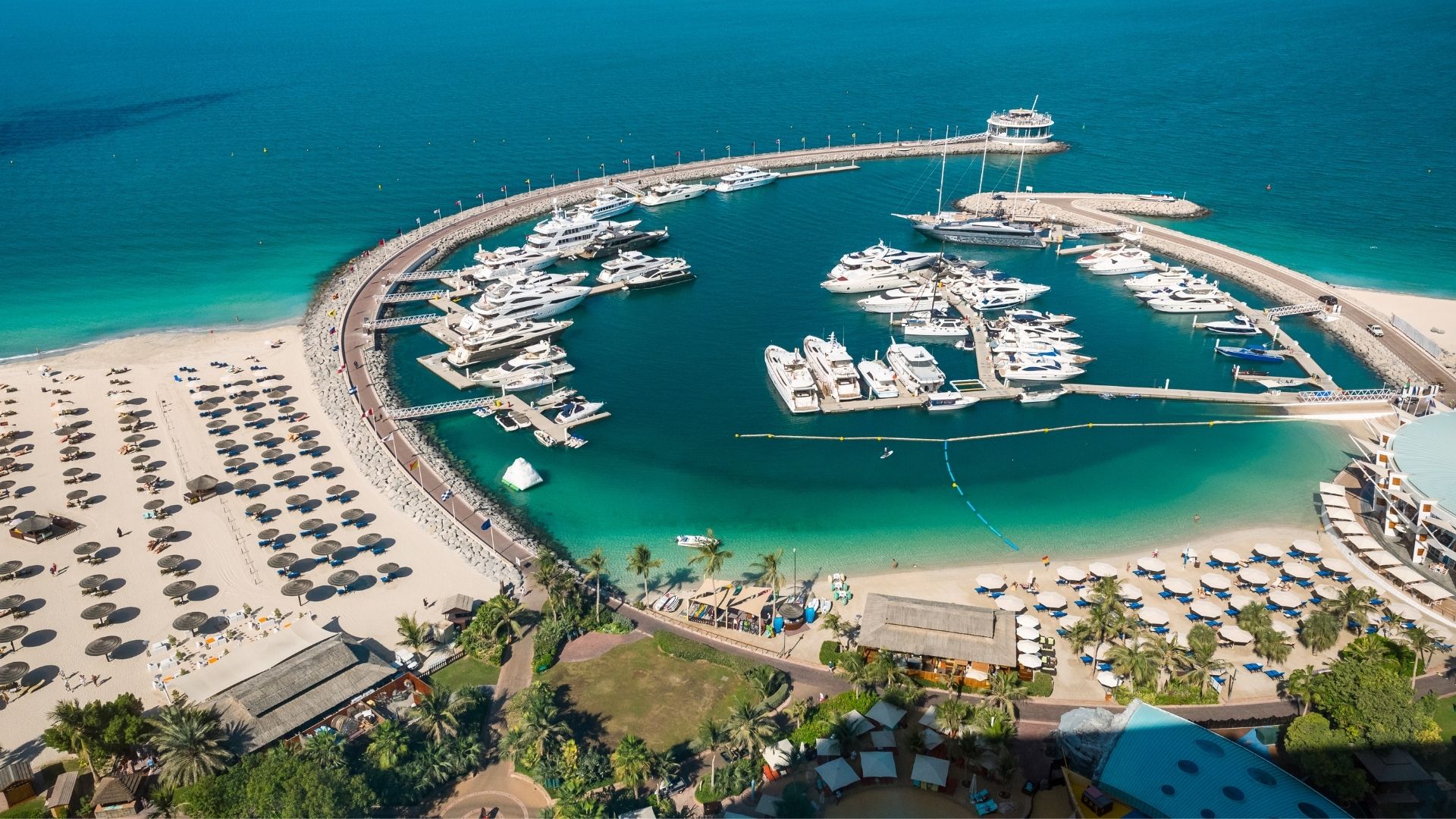
The bay opens as a stage, and low light sweeps horizontally across the water. Pyrotechnic bursts and coordinated lights bloom across the surface while terraces and jetties pick up the colour and scatter it back. Walk the pier and the scene reads cinematic, wide and deliberate, with the harbour acting as a long, reflective canvas that makes every burst feel larger than it is.
Photo notes
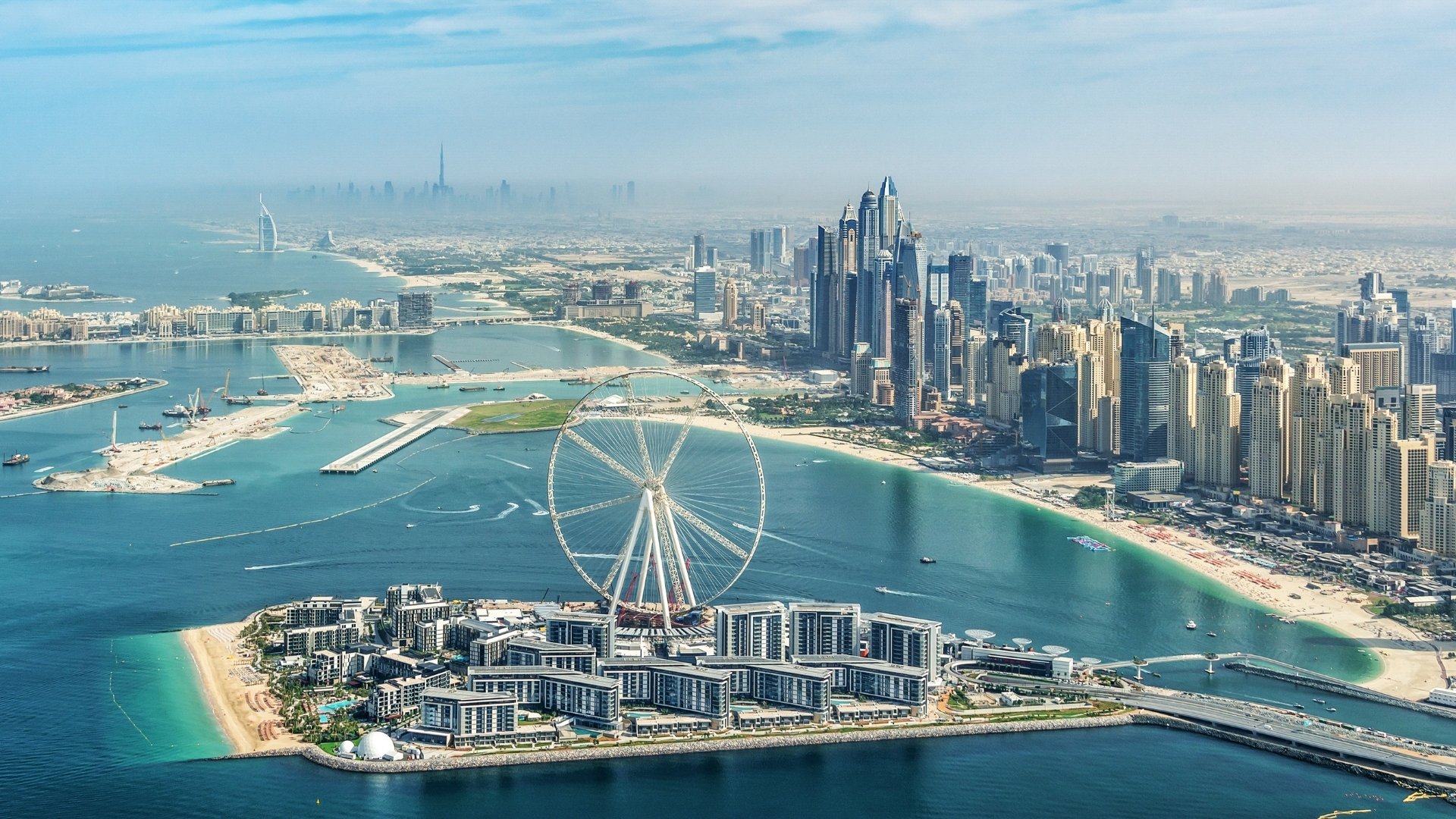
The wheel turns into a slow, luminous metronome while island terraces glow like small constellations. From the promenade, the wheel’s reflection fractures into the water, and the scene reads like a jewel box. Couples drift between cafés, lights blink on, and the island becomes a compact, layered view where vertical geometry meets soft seaside colour.
Photo notes

The horizon is patient here, and colour arrives in long, deliberate waves. Dunes fold into one another, and wind writes faint textures across the sand. You feel the sky expand until the sun becomes a small, decisive coin slipping away. Silence deepens as the afterglow stretches, and the desert keeps the light to itself in a way that feels intimate and vast at once.
Photo notes
Looking for lighter plates that still deliver on flavour? Continue with Healthy Eats That Hit Different in Dubai to discover places where balance, freshness, and thoughtful cooking take centre stage.

Lantern light and low conversation soften the edges of the city and the creek keeps a quiet, reflective patience. Traditional boats drift like slow memories while local stalls steam and glow. The skyline sits back, respectful and distant, letting the waterfront tell its own, quieter story. This is a sunset for noticing small gestures and the way light settles on faces and wooden hulls.
Photo notes
By the time the sky releases its last colour, Dubai has already shifted pace.
The promenades thin, conversations settle, and the city stops performing and starts holding still. This is the moment that decides whether the night continues in fragments or stays whole. Some places encourage movement. Others understand when the evening has already arrived, where it needs to be.
At DOORS Dubai, sunset does not feel like a cue to leave. The terrace keeps the skyline present without insisting on attention, allowing dinner and dusk to overlap naturally. The fountain quiets, the light deepens, and staying seated feels less like a choice and more like the correct ending.
If your sunset plan is meant to ease into the night rather than break between moments, reserving your table before the light changes lets the city finish what it started.
Q: What are the best sunset places in Dubai?
A: The best sunset places in Dubai depend on the mood you want, from beaches like JBR to skyline views in Downtown. Terraces, waterfronts, and desert dunes all offer very different sunset experiences.
Q: Where can you watch the sunset with the Burj Khalifa view?
A: Downtown Dubai offers the most direct Burj Khalifa sunset views, especially around the Fountain promenade and terrace restaurants. Places like DOORS Dubai frame the skyline so sunset flows naturally into the evening.
Q: Are beaches good for sunset in Dubai?
A: Yes, beaches are among the most popular sunset places in Dubai because the light reflects off the water and wet sand. JBR and La Mer are especially known for long, social sunsets that stretch into blue hour.
Q: What is the best time to watch the sunset in Dubai?
A: Sunset in Dubai usually happens between 5:30 p.m. and 7:00 p.m., depending on the season. Arriving 30 to 45 minutes early helps you experience the full transition from daylight to dusk.
Q: Can you watch the sunset while dining in Dubai?
A: Yes, many sunset places in Dubai combine views with dining, especially in Downtown and waterfront areas. Restaurants with terraces allow you to stay seated as the light fades instead of moving between locations.

Explore the best brunch places in Dubai, offering luxurious settings, diverse flavours, and unforgettable dining experiences across the city's top venues.


Discover the best birthday brunches in Dubai, where luxury, live entertainment, and exquisite cuisine come together for an unforgettable celebration.
Not all sunsets feel the same. Discover sunset places in Dubai where the light, setting, and moment align.

.svg)