


.png)
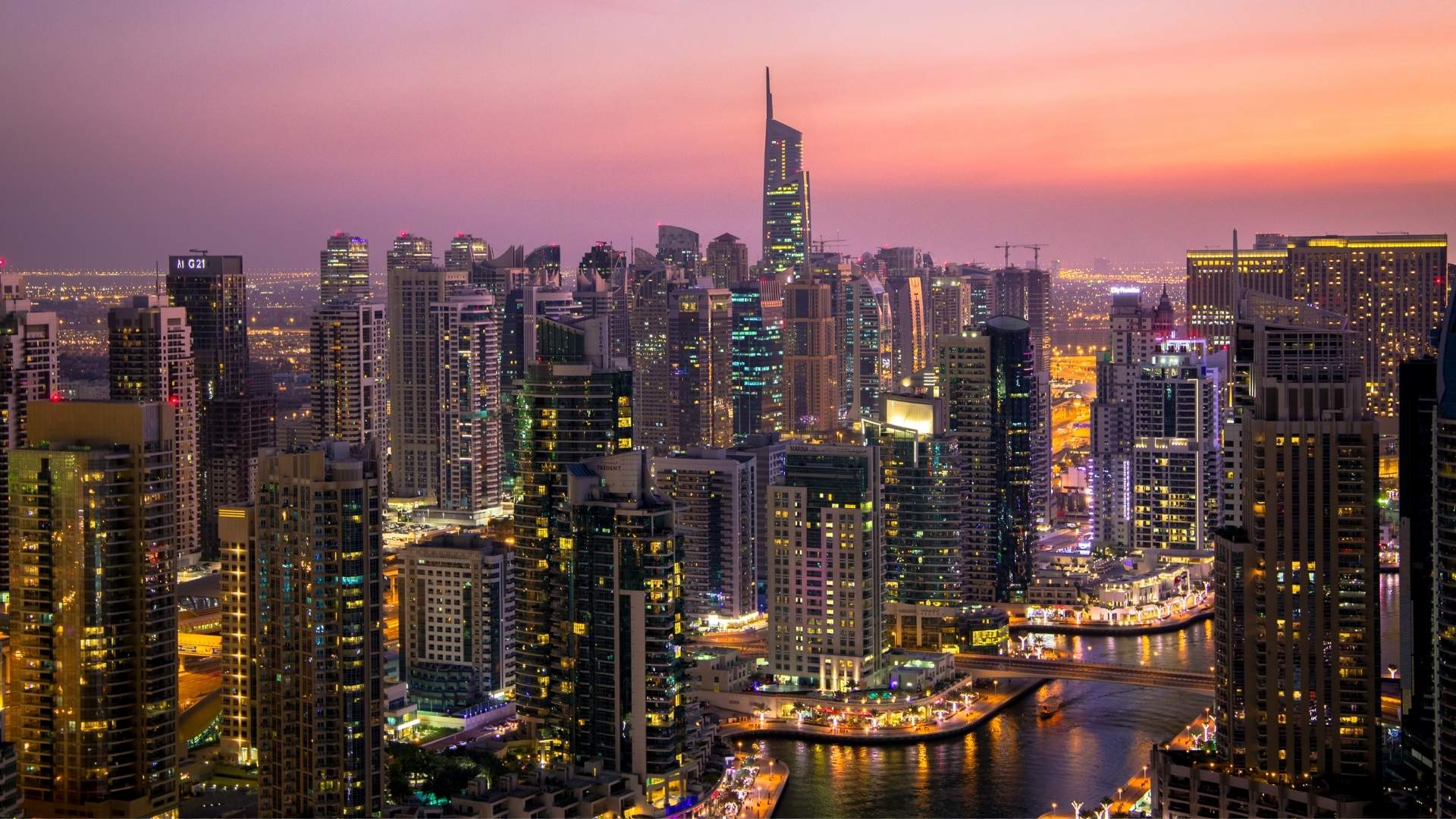
In Dubai, discovery has become strangely uniform. Social media has flattened the city into a loop of the same cafés, viewpoints, and backdrops, guiding most people to places chosen for how they photograph rather than how they feel. What should be a journey of curiosity often turns into a trail of familiar pins, leaving little room for the unexpected.
Yet beyond that glossy layer, a different Dubai still waits. It lives in converted warehouses where art replaces retail, in forgotten beaches where the horizon is uninterrupted, in quiet lanes where history sits close to the ground, and in vast open spaces where the city’s edges dissolve into desert. These are places that invite you to slow down, listen, and notice what cannot be captured in a single frame.
Finding them requires more than scrolling. Only a handful of locations still carry the power to make the city feel new, shaped by setting, story, and a sense of purpose rather than popularity. When chosen with care, these spaces allow Dubai to reveal itself again, not as an image, but as an experience.
At a Glance:
Most people think they have seen Dubai because they have followed the same cafés, beaches, and viewpoints shared online. What stays unseen are the places without crowds or hashtags, where the city feels quieter and more real. Only a few locations still hold that sense of discovery, and once you know them, the rest of Dubai never looks the same.
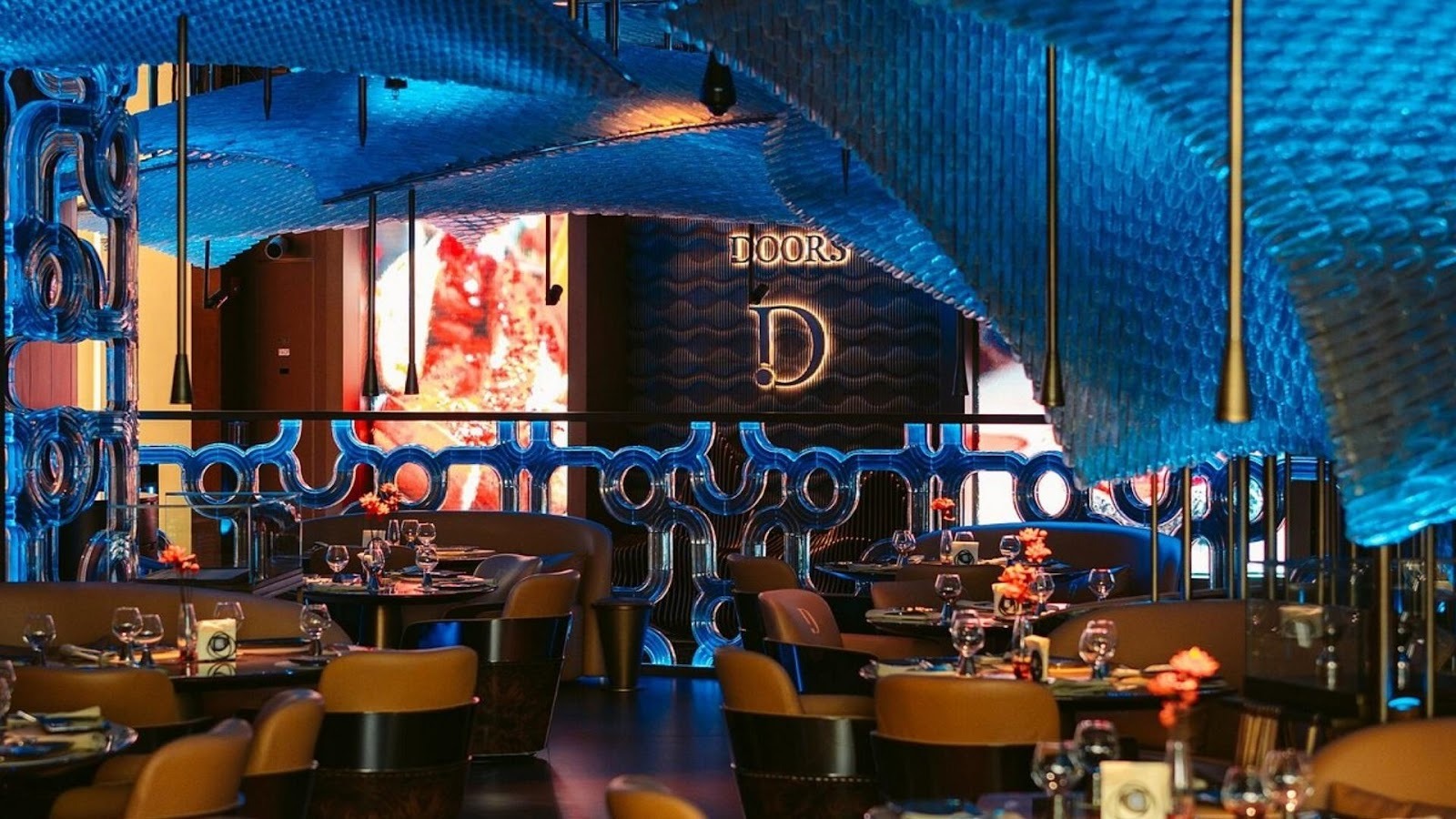
Set high above the city’s daily movement, DOORS Dubai is where dining, smoke, and skyline settle into a slower, more deliberate kind of evening. Here, food is treated as a craft rather than a rush, guided by the kitchen of internationally acclaimed Chef Kemal Çeylan. His modern Turkish and Mediterranean plates are designed to sit comfortably alongside shisha, mocktails, and long conversations by the fountain.
What sets the space apart are:
• It is one of the highest vantage points in the Dubai Mall to watch the Dubai Fountain and skyline.
• It brings together an outdoor terrace for lingering meals, a VVIP private majlis for secluded gatherings, and a dedicated shisha lounge centred on premium blends.
• It also includes a Mixology Lab where alcohol-free mocktails are crafted with the same care and precision as a cocktail bar.
Signature experiences include:
• Express Wagyu at AED 99 (12 p.m. to 6 p.m.)
A timed grill ritual where a Wagyu burger, fries, and Grape Symphony mocktail are served within eight minutes, or the dish is on the house, with a small dessert from the kitchen if the clock runs out
• Presidential Table
A private dining sanctuary with golden tableware, a 17-course menu, a personal butler and runner, and a theatrical presentation designed to make the evening feel entirely your own
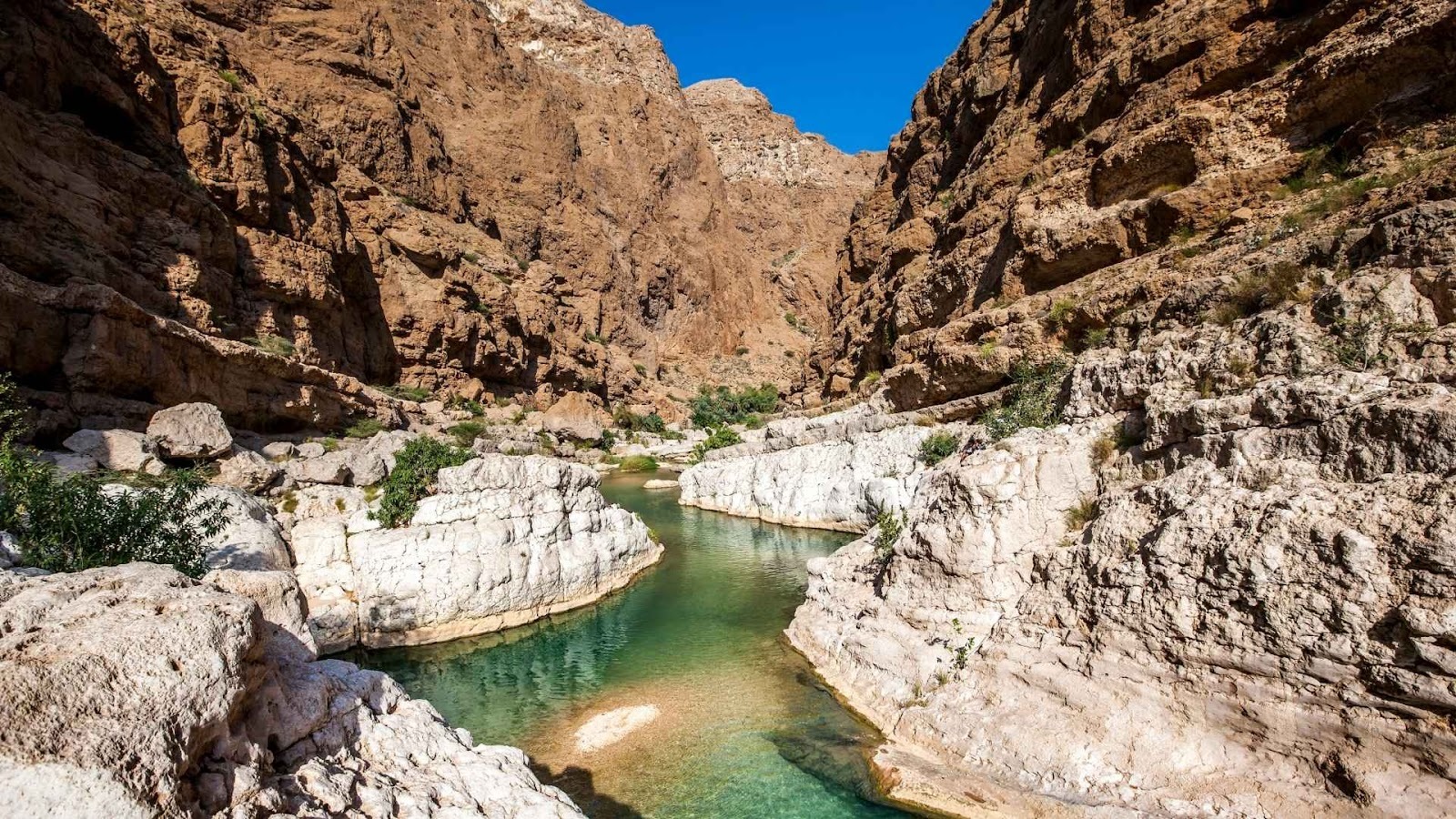
Hidden beyond Dubai’s glass skyline, Wadi Shawka trades polished attractions for raw mountain drama, where seasonal river pools, palm-lined wadis, and rugged trails. These shape a landscape meant for walking, swimming, and quiet exploration. It is best suited to hikers, photographers, and anyone drawn to places that feel earned rather than arranged, with nature setting the pace instead of crowds.
Timings: 24/7
Entry Fee: Free
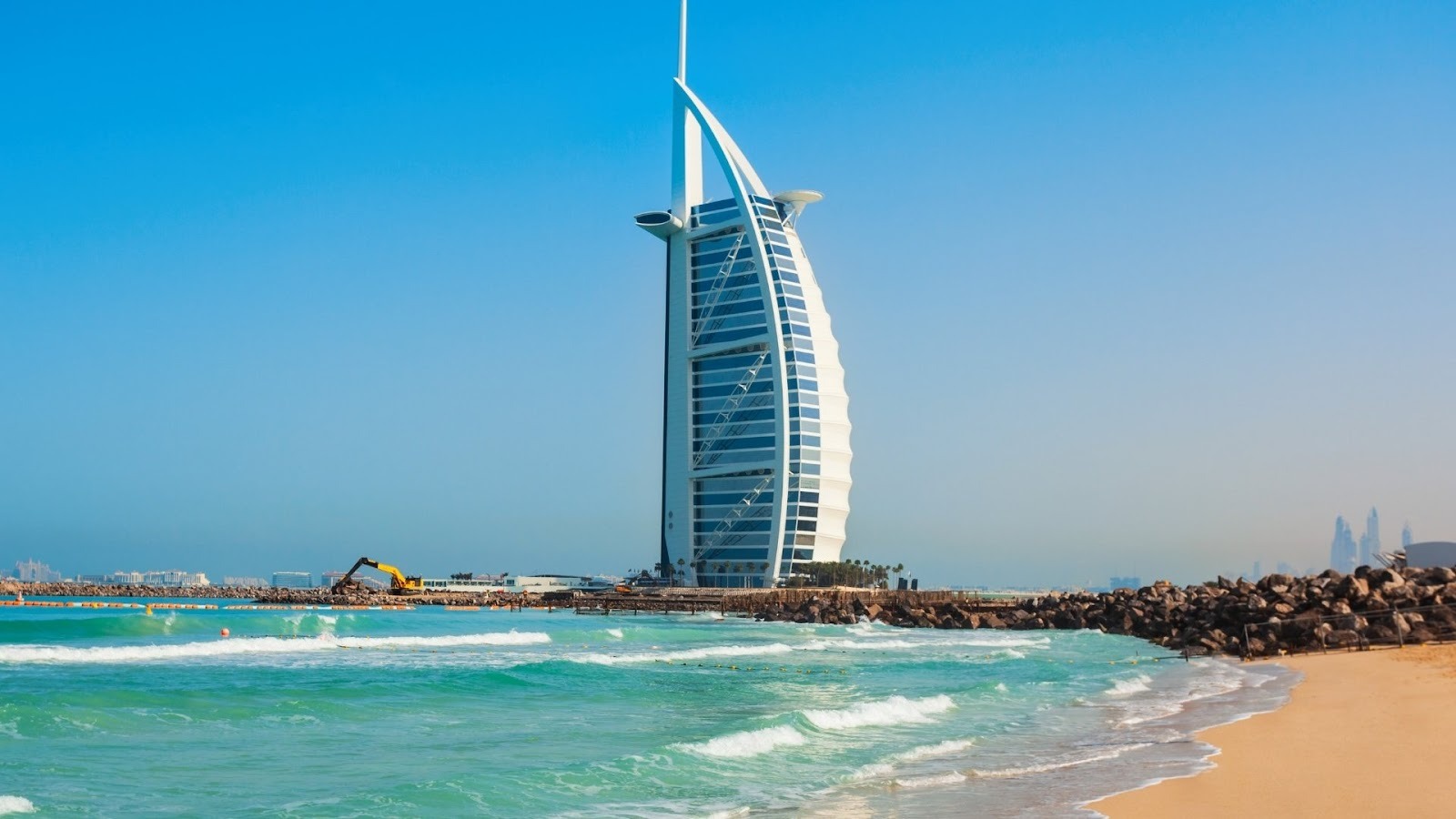
Black Palace Beach is Dubai’s quiet shoreline, where soft white sands and calm turquoise waters unfold with unobstructed views of landmarks like Burj Al Arab and Palm Jumeirah. Lacking commercial trappings, it preserves an untouched coastal mood that feels rare in the city, perfect for wading, sunbathing, or simply watching the sea unfold without crowds.
Timings: 24/7
Entry Fee: Free
Also Read: Tap Twice at Dubai’s Most Viral Spots
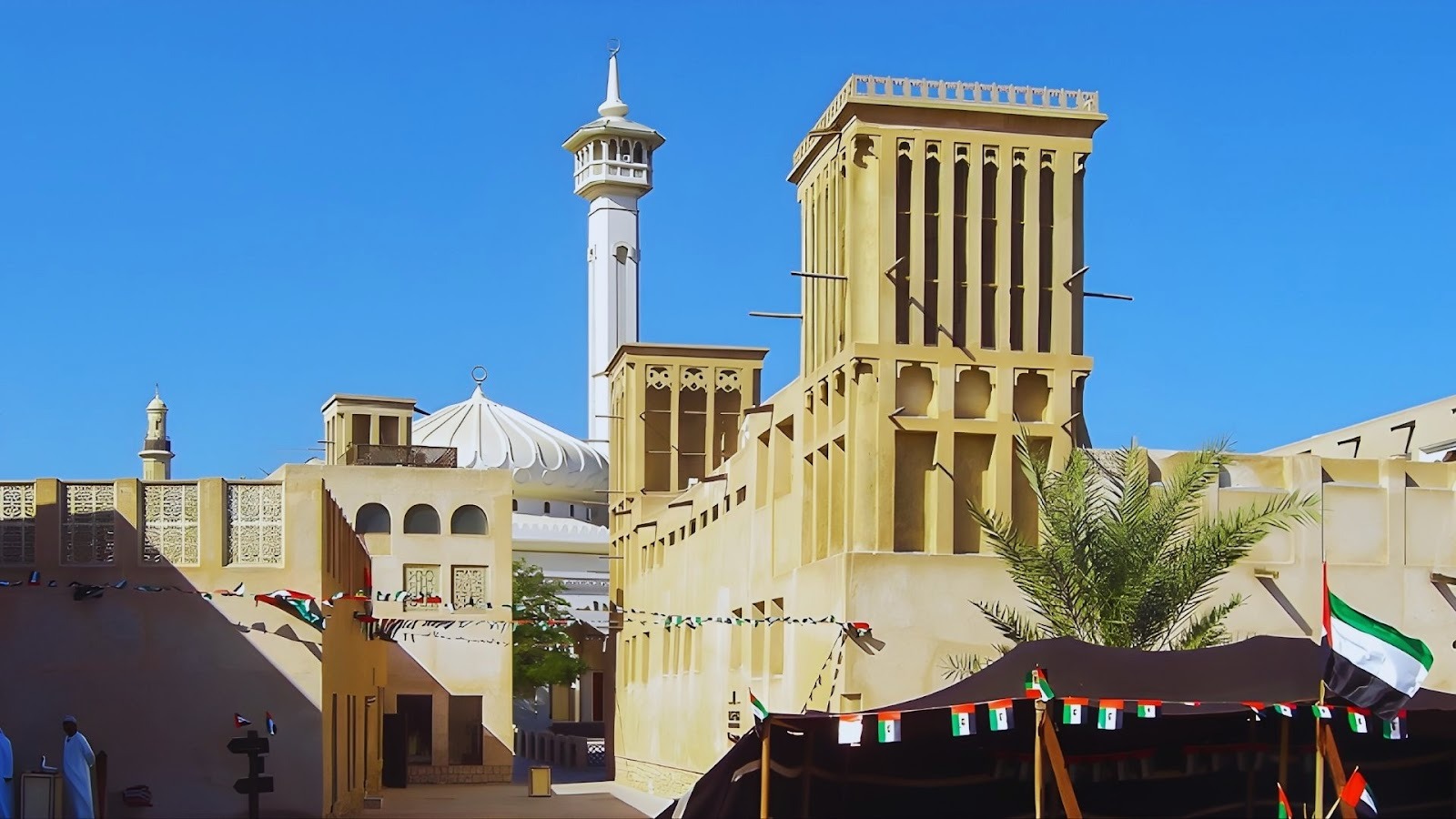
Al Fahidi preserves the quieter side of old Dubai, where wind-tower houses, shaded lanes, and coral-stone courtyards still trace the city’s trading past along the Creek. It suits slow walkers, photographers, and anyone curious about how Dubai once lived, with small museums, cafés, and heritage homes giving the area its layered, lived-in character.
Timings: 24/7
Entry Fee: Free (district access); AED 3 (Dubai Museum)
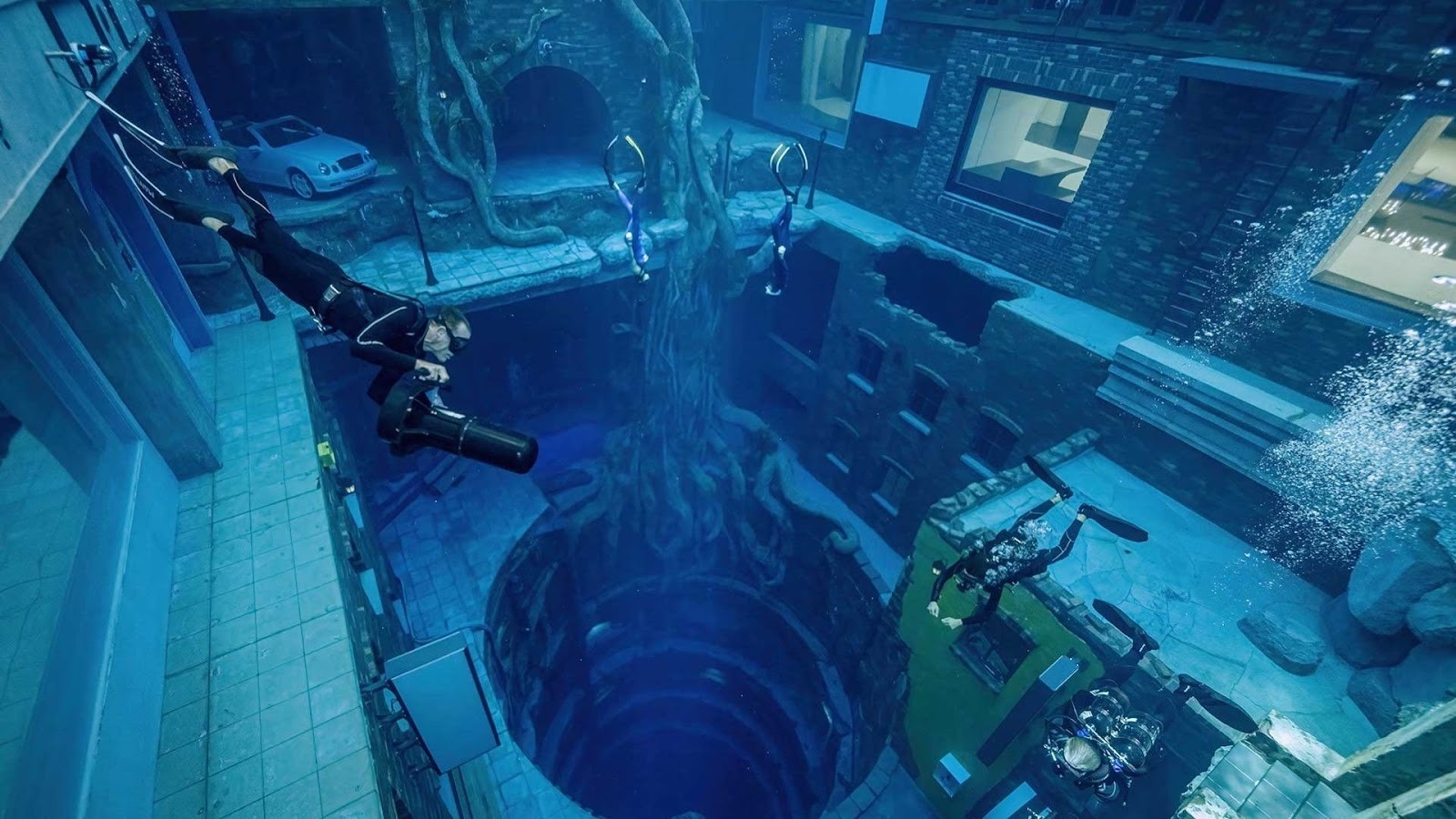
Hidden beneath Nad Al Sheba, Deep Dive Dubai reveals a submerged world where streets, staircases, and rooms sit 60 metres below the surface. It is a place built for certified divers and thrill-seekers, where training, exploration, and storytelling take place inside a carefully controlled underwater city that feels closer to cinema than sport.
Timings: 10 a.m. to 10 p.m.
Entry Fee: AED 600 to AED 2,000+
It is the kind of place that changes how you think about space and scale, much like the experiences gathered across Dubai Celebrations, where moments are shaped to feel distinct rather than routine.
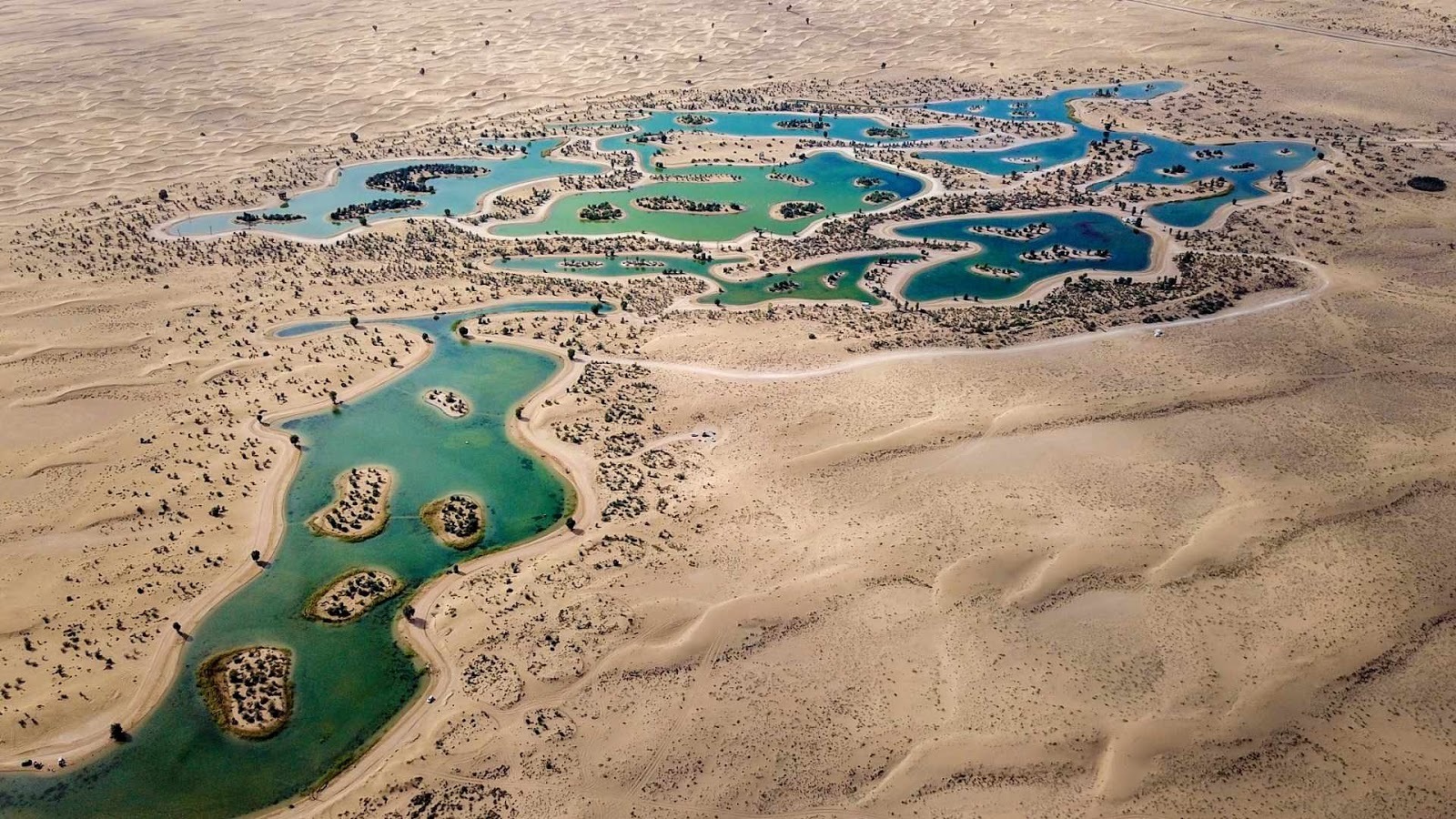
Al Qudra Lakes turns Dubai’s desert into a shimmering oasis where calm waters mirror golden dunes and flocks of flamingos drift against wide open skies. It suits birdwatchers, cyclists, photographers, couples, and anyone drawn to places that feel vast, wild, and quietly alive beyond the city’s rhythm.
Timings: 24/7
Entry Fee: Free
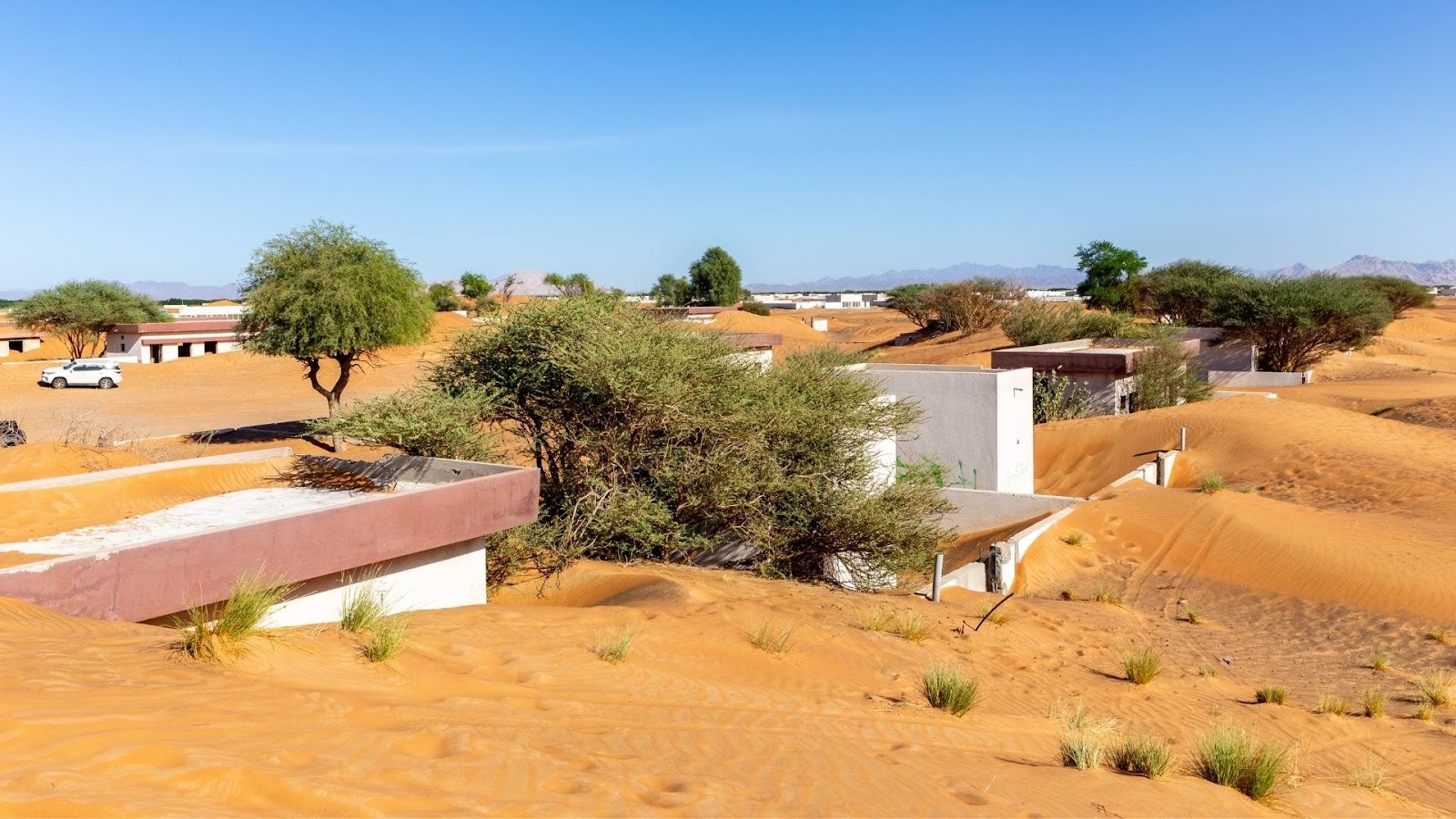
Al Madam feels like a moment left behind, where small desert homes sit half-buried under drifting sand just beyond Dubai’s edge. It draws photographers, explorers, and anyone curious about the UAE’s quieter histories, with empty rooms, fading walls, and dunes slowly reclaiming what was once a living settlement.
Timings: 24/7
Entry Fee: Free
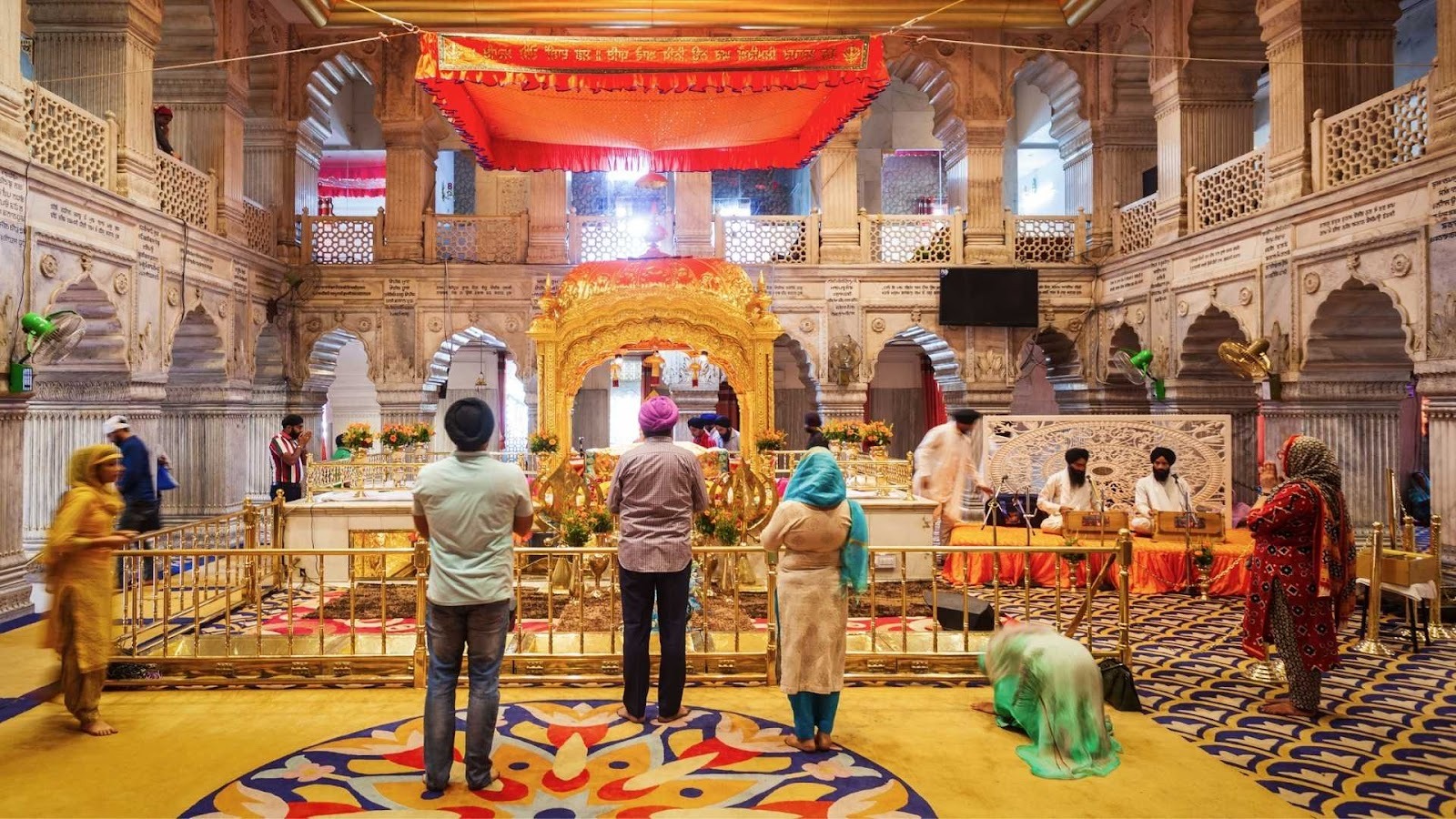
Guru Nanak Darbar offers a rare stillness inside Dubai, where prayer halls, marble courtyards, and the quiet rhythm of daily langar shape a space centred on service and reflection. It suits spiritual seekers, families, and cultural explorers, with open doors, shared meals, and a sense of welcome that feels far removed from the city’s pace.
Timings: 4.30 a.m. to 8.30 p.m.
Entry Fee: Free
Before visiting, dress modestly with a head covering, and remove your shoes inside the prayer halls. Treat the langar as a shared meal rather than a service, and keep photography quiet and respectful.
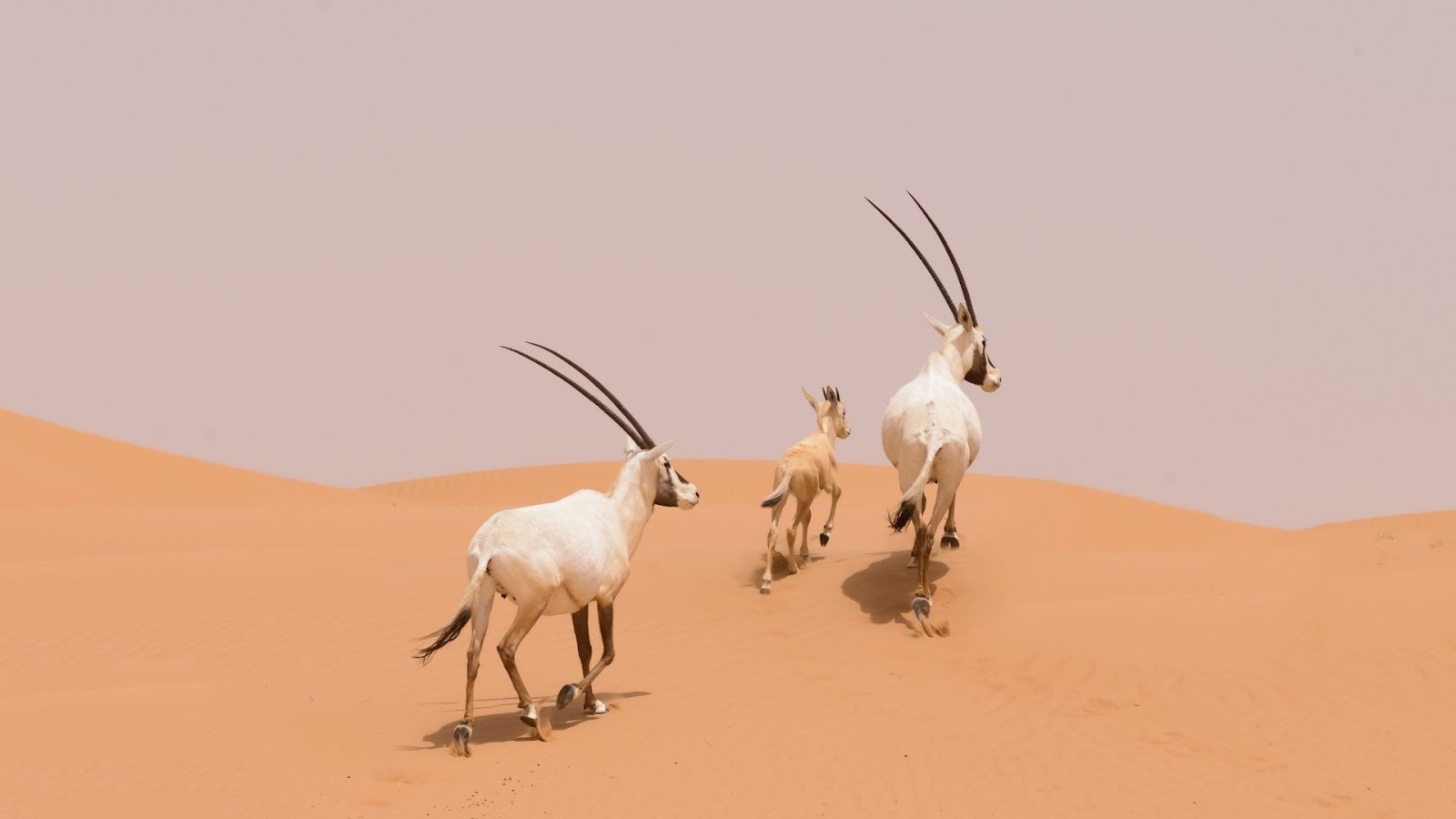
Dubai Desert Conservation Reserve protects a rare stretch of living desert, where dunes, gazelles, and Arabian oryx move through a landscape shaped by conservation rather than spectacle. It suits wildlife lovers, photographers, and travellers who want to see the UAE beyond curated safari camps, with guided drives, falconry, and quiet desert mornings revealing a more natural side of the region.
Timings: 7 a.m. to 5 p.m.
Entry Fee: AED 168+ (guided tours)
After moving through Dubai’s quieter corners, something shifts. The desert leaves you open, and still, the old districts ground you, the hidden beaches soften you, and the places few people photograph start to feel more real than anything you planned. By the time the sun begins to lower, the city no longer feels loud; it feels earned.
That is when DOORS Dubai makes sense. High above the fountains, with fire on the grill and smoke in the air, it becomes a place to pause, to let the day settle into conversation and food. Flavours replace movement, light replaces distance, and the skyline becomes something you sit with rather than move through.
Some tables are made for eating. Others are made for remembering where you have been. The best ones by the water have a way of waiting quietly for the people who understand the difference.
Yes. Locations such as Black Palace Beach, Al Qudra Lakes, Wadi Shawka, and Al Madam Village remain largely free of tour groups and commercial activity, especially on weekday mornings and at sunset.
Al Fahidi Historic District, Black Palace Beach, Al Qudra Lakes, Abandoned Al Madam Village, Wadi Shawka, and Guru Nanak Darbar Sikh Temple all allow free public access.
Deep Dive Dubai must be booked in advance for all dive sessions, and Dubai Desert Conservation Reserve can only be entered through registered safari or conservation tours.
Al Qudra Lakes is known for flamingos and migratory birds, while Dubai Desert Conservation Reserve protects Arabian oryx, gazelles, and native desert habitats.
Places like Al Fahidi, Alserkal Avenue, Guru Nanak Darbar, and Deep Dive Dubai are accessible by taxi or metro, but Al Qudra, Al Madam, and Wadi Shawka require a private car or organised transport.

Explore the best brunch places in Dubai, offering luxurious settings, diverse flavours, and unforgettable dining experiences across the city's top venues.


Discover the best birthday brunches in Dubai, where luxury, live entertainment, and exquisite cuisine come together for an unforgettable celebration.

Not all sunsets feel the same. Discover sunset places in Dubai where the light, setting, and moment align.

.svg)