


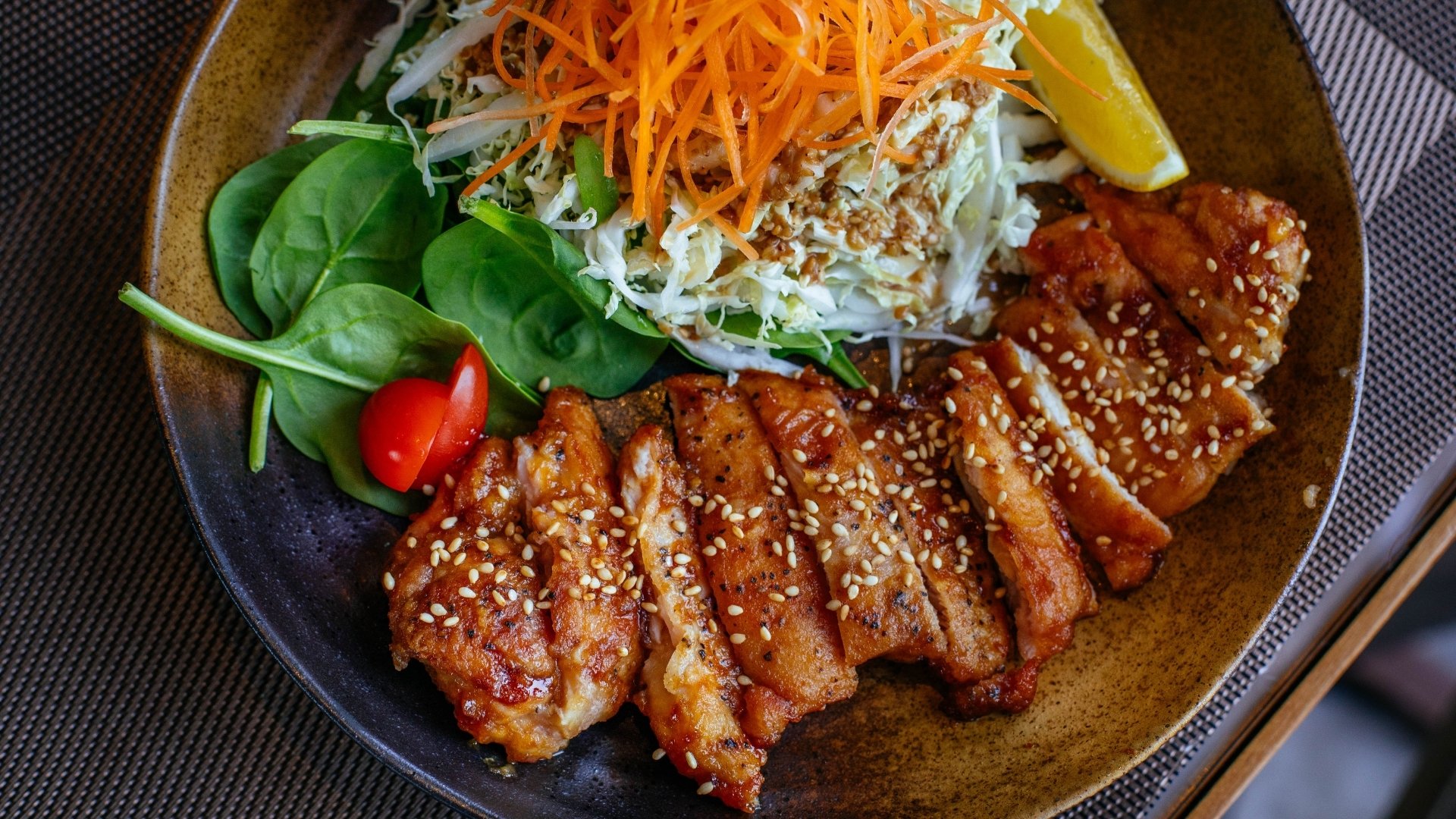
.png)
Most food cravings in Dubai start with a question rather than a plan. Steak or shawarma. Sushi or biryani. Something grilled, something slow-cooked, something that reminds you of home. The city’s food scene has been shaped by traders, workers, and travellers for decades, which is why the hardest part isn’t finding good food, but deciding which craving to follow first.
The answers usually arrive at the table. A Wagyu steak served hot and rested. Shawarma cut fresh from the spit, wrapped and eaten standing. Rice that carries spice without heaviness. Fish grilled simply, desserts soaked and warm. These dishes feel familiar because they’ve been cooked the same way, for the same reasons, for years.
Dubai eats through influence, not invention. Each dish comes from somewhere else, shaped by time and place, and kept alive by repetition. Choosing well is less about trends and more about recognising what the city has always done best, serving what people come looking for, one dish at a time.
At a Glance:
In Dubai, the safest way to eat well is to follow the dish, not the menu. Order steak only where the grill is the focus. Choose shawarma where it’s sliced to order, not reheated. Pick biryani from kitchens that cook it in batches, not on demand. When you match the craving to the right kind of place, the city delivers.
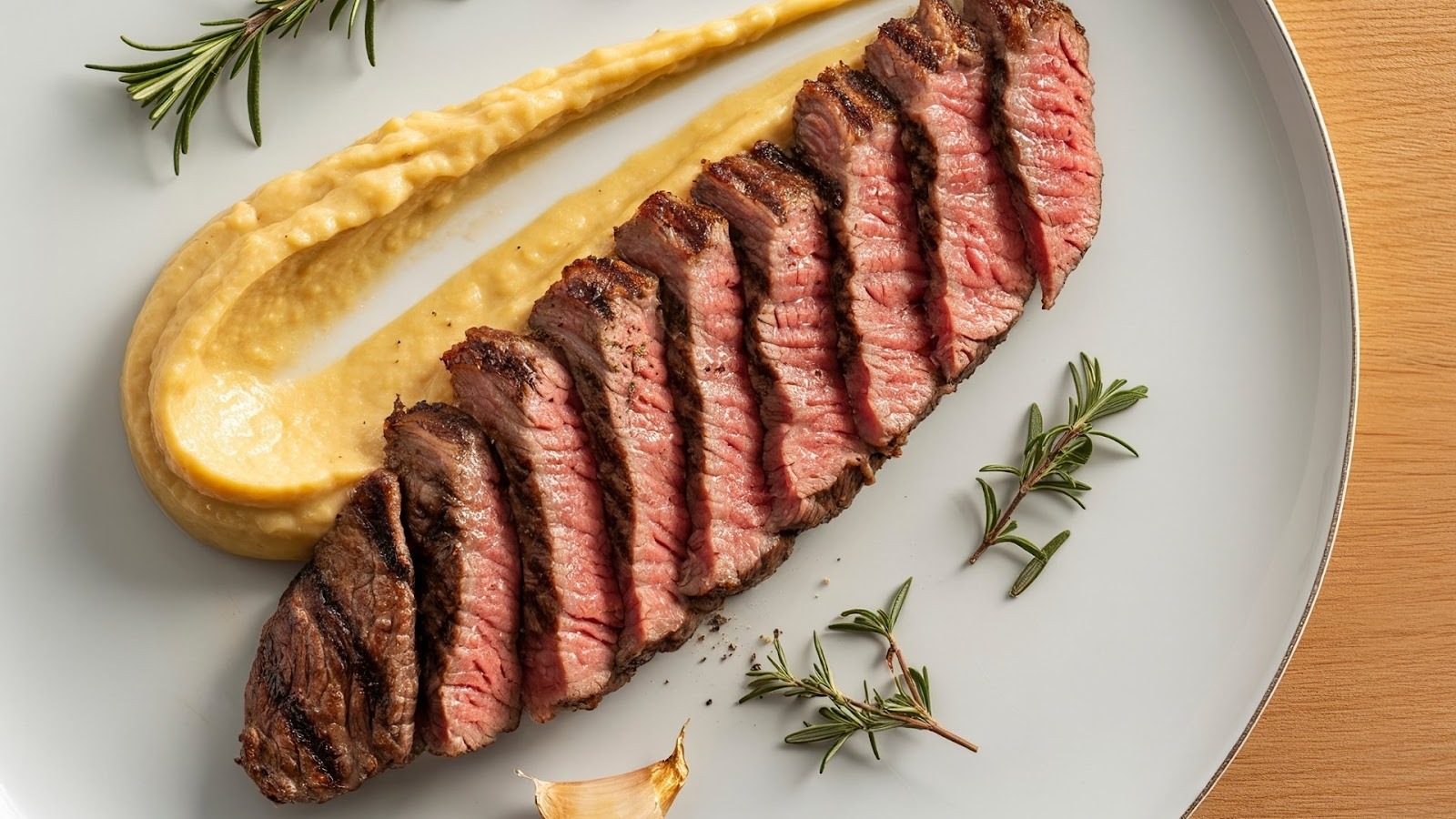
Wagyu steak is beef with fat running through the meat rather than sitting on the outside. When cooked well, that fat softens with heat, keeping the steak moist without the need for sauces or extra seasoning. It suits those who enjoy steak that cuts cleanly, stays juicy, and tastes complete on its own.
This is for diners who prefer ease at the table. Wagyu should feel warm and soft when sliced, hold its juices, and leave you comfortably full, not weighed down.
On the plate:
Where it’s done best:
At DOORS Dubai, in the Dubai mall, Chef Kemal Çeylan handles Wagyu with a light touch, letting the cut arrive as it should.
For those who want to understand Wagyu without turning it into an occasion, the Express Wagyu at DOORS Dubai does the job. It arrives quickly, is simply plated, and is priced at AED 99 per person; enough to properly taste the cut and decide if it’s for you.
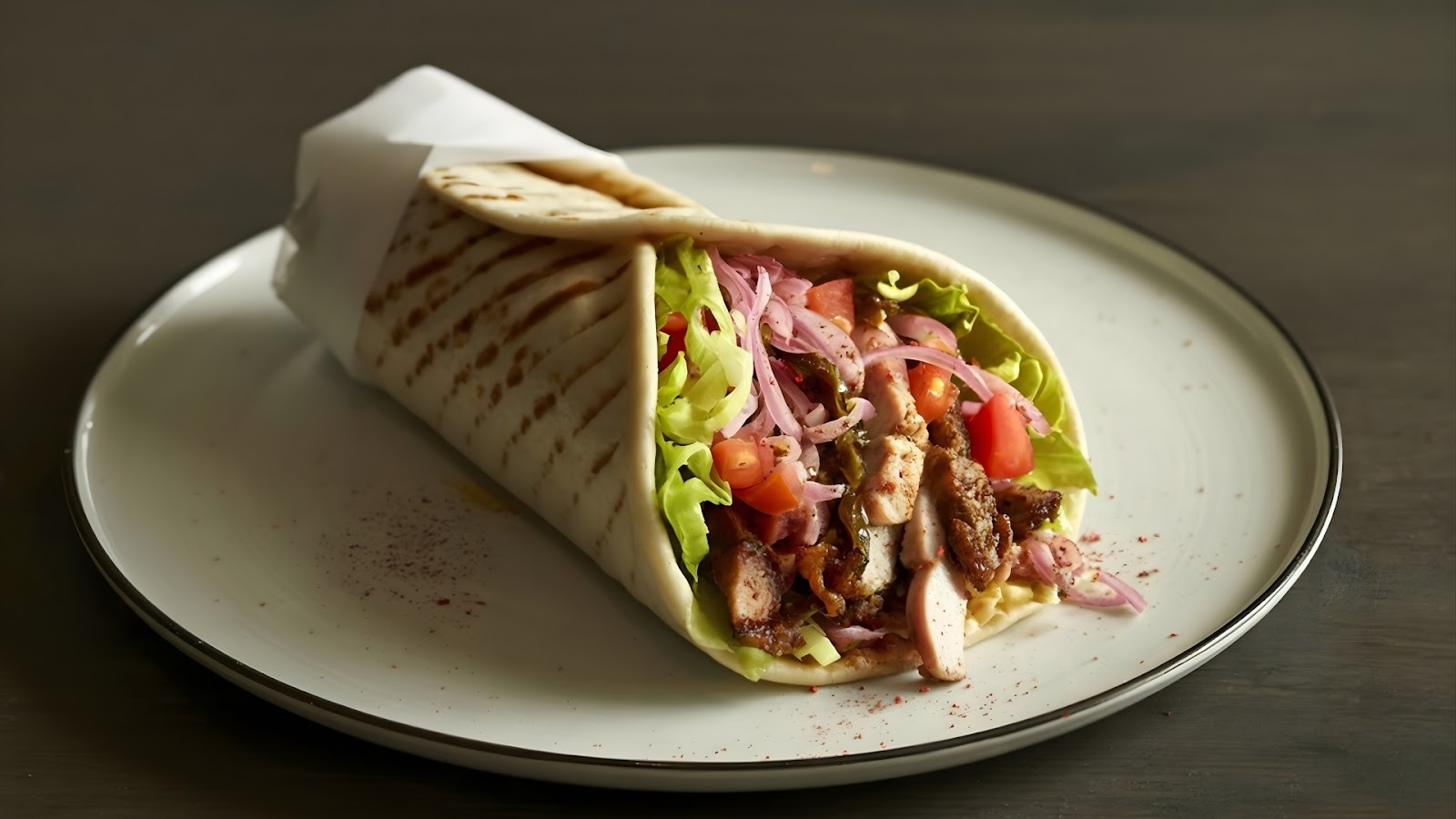
Shawarma is meat cooked slowly on a vertical spit, shaved fresh as it cooks rather than prepared in advance. The flavour comes from heat, time, and fat meeting the flame, not from sauces trying to fix it later. It’s worth eating when you want something filling but not heavy, familiar but still satisfying.
This is for people who like food eaten hot and quickly, without sitting down for long. Shawarma should be juicy inside, lightly crisp at the edges, and wrapped while the meat is still steaming.
On the plate:
Where it’s done best:
Al Mallah, in Satwa, is known for its consistently shaved-to-order chicken shawarma, wrapped while still hot.
Some dishes don’t ask for a reservation or a long wait, just the right place at the right moment. For everyday meals done well without excess, Best Budget Restaurants in Dubai for Affordable Eats looks at where value and flavour still meet.
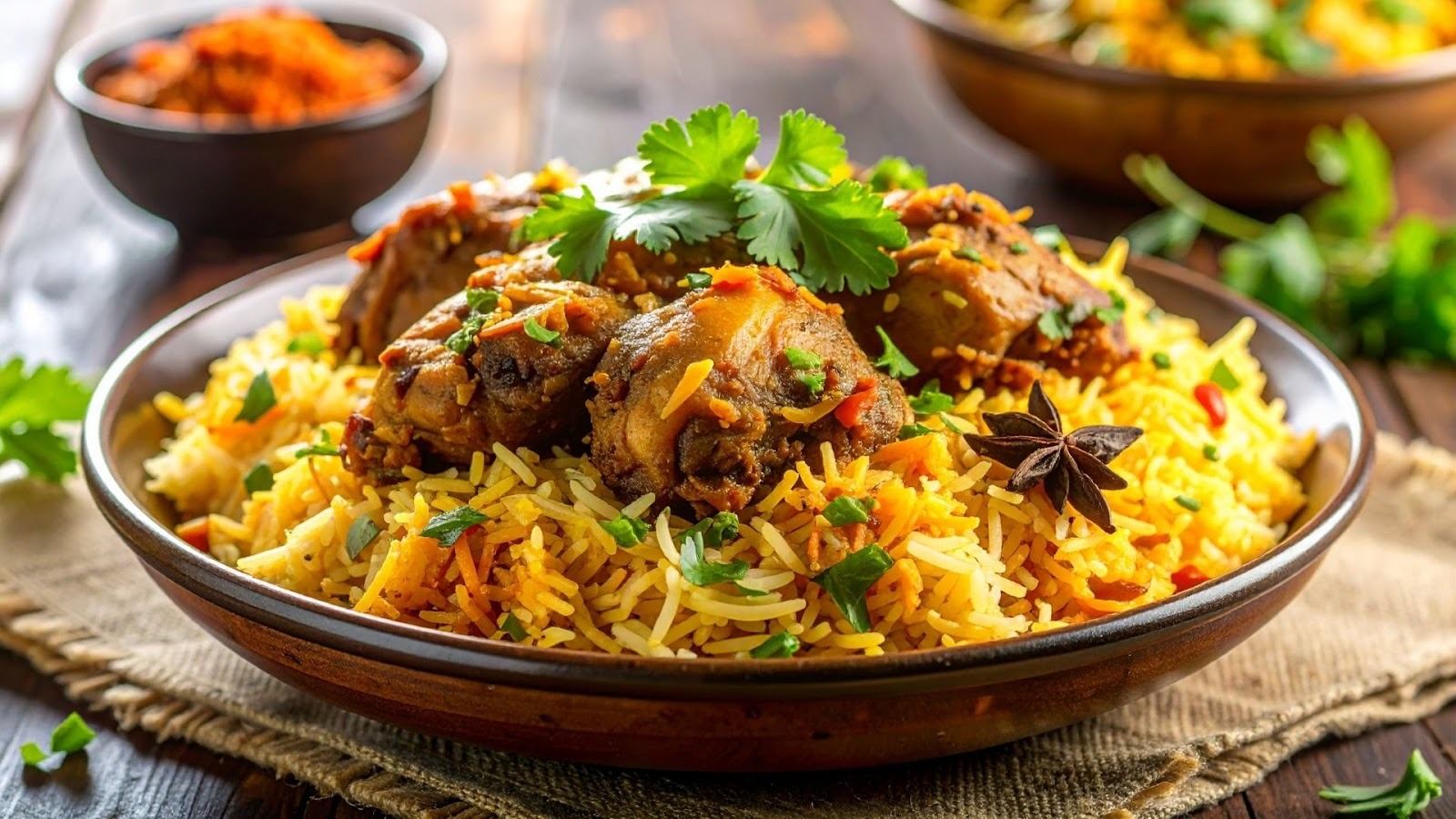
Chicken biryani is rice and meat cooked together, not separately mixed at the end. The flavour comes from layering rice, marinated chicken, and whole spices, then sealing the pot so the steam finishes the dish. When done properly, the rice stays separate, the chicken cooks through gently, and the spices settle rather than overpower.
This is for diners who enjoy slow-cooked food that still feels light. Biryani should smell fragrant before you taste it, feel warm and fluffy when served, and stay balanced from the first spoon to the last.
On the plate:
Where it’s done best:
Pak Liyari, in Karama, is known for its chicken biryani, cooked in large batches: rice and meat are layered and steamed the traditional way, not assembled to order.
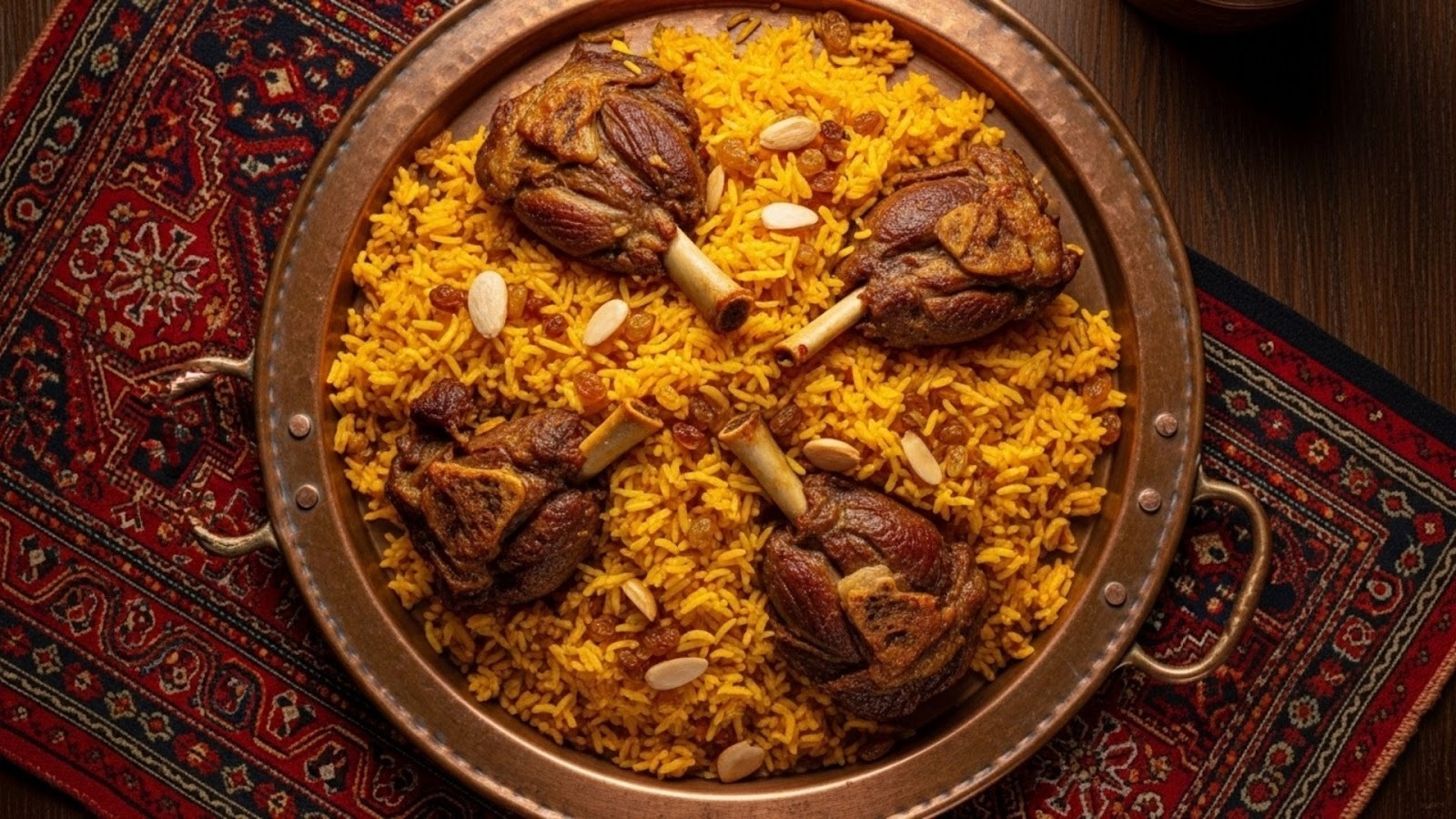
Mandi is meat and rice cooked together over long heat, usually in an underground or sealed oven. The meat cooks slowly from steam and smoke rather than direct flame, which keeps it soft and lightly flavoured. The rice absorbs the juices as it cooks, so the dish arrives complete without needing sauces or extras.
This is for diners who enjoy food meant to be shared and eaten unhurriedly. Mandi should smell smoky, the meat should fall apart easily, and the rice should stay dry but flavourful.
On the plate:
Where it’s done best:
Maraheb, known across Dubai for Yemeni mandi, cooks the meat slowly and serves it straight from the pot, keeping the dish close to its traditional preparation.
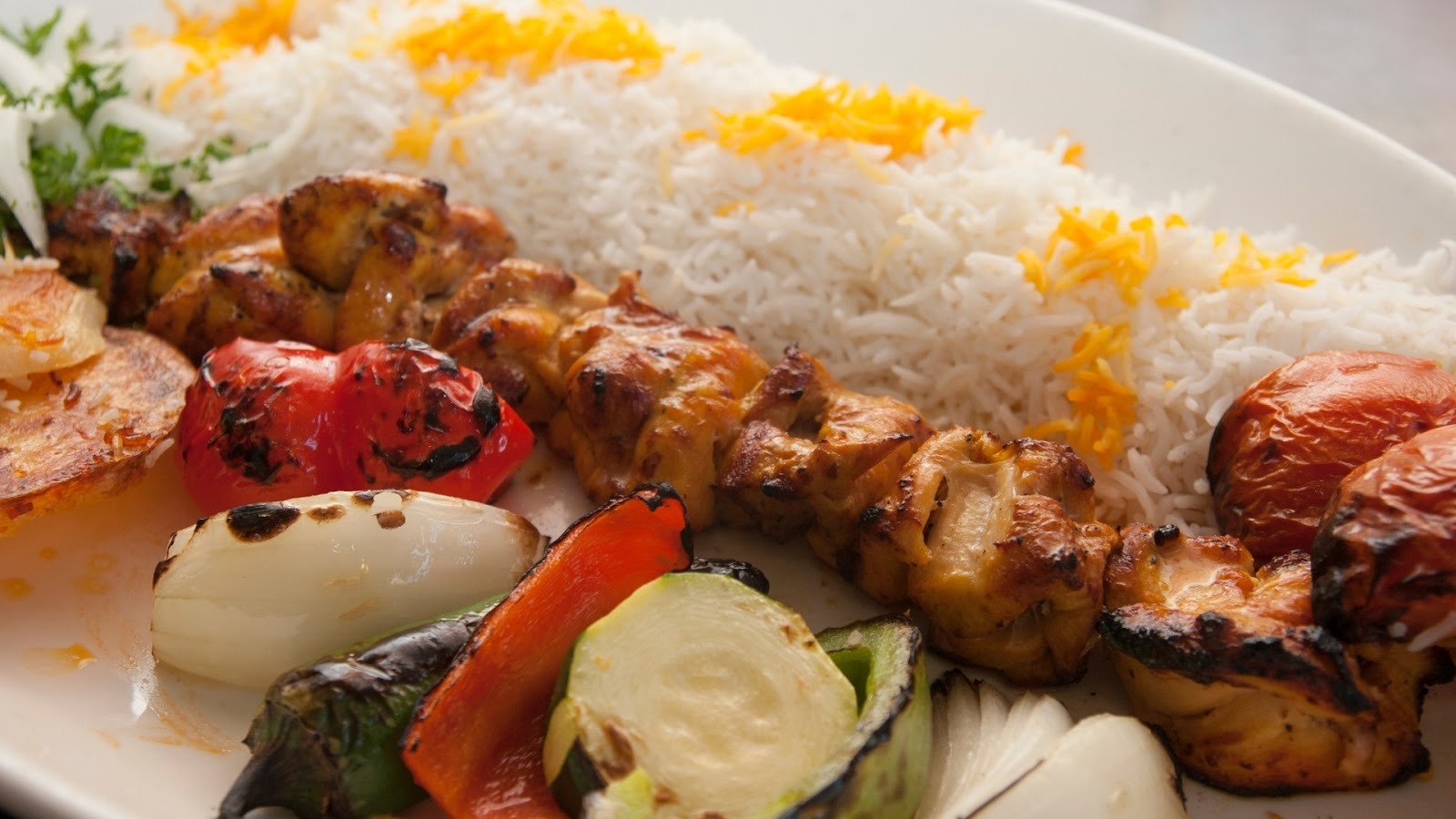
Iranian kebab is meat grilled flat and wide, cooked over open charcoal rather than skewered thick. The flavour comes from marinades of onion and salt, not spice mixes, allowing the meat to stay juicy while the outside picks up smoke. It’s paired with saffron rice that’s steamed, not fried, and lightly perfumed rather than rich.
This is for diners who like clean, direct flavours. The meat should be soft but still hold shape, and the rice should feel warm and separate, not buttery or heavy.
On the plate:
Where it’s done best:
Al Ustad Special Kebab, Bur Dubai, is known for Iranian kebabs grilled to order and saffron rice served simply, staying true to how the dishes are meant to be eaten.
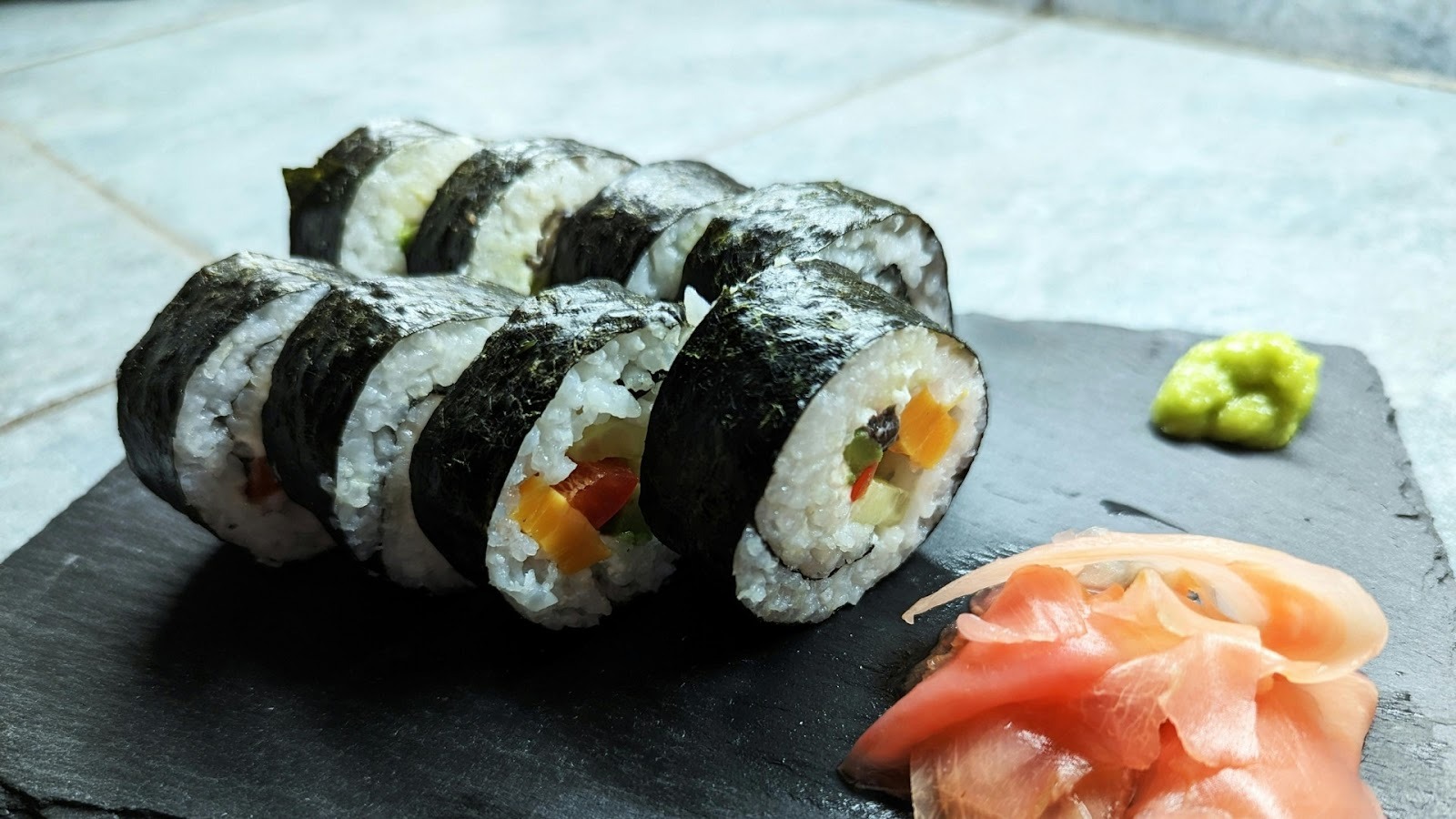
Japanese sushi rolls are about balance, not fullness. Fish, rice, and seaweed are rolled together so each bite tastes the same from start to finish. The rice matters as much as the topping; it should be warm, lightly seasoned, and packed just enough to hold.
This suits diners who like food that feels clean and measured. Sushi should taste fresh without needing too much soy or wasabi, and it should be eaten soon after it’s made.
On the plate:
Where it’s done best:
KATA, Dubai Mall Waterfront Promenade, serves sushi rolls made to order, with careful rice handling and clean cuts that let the fish stay in focus.
Sushi often marks the point where the evening begins rather than ends. For those who move from the table into the night, Where the Party Never Stops in Dubai explores how the city carries energy well past dinner.
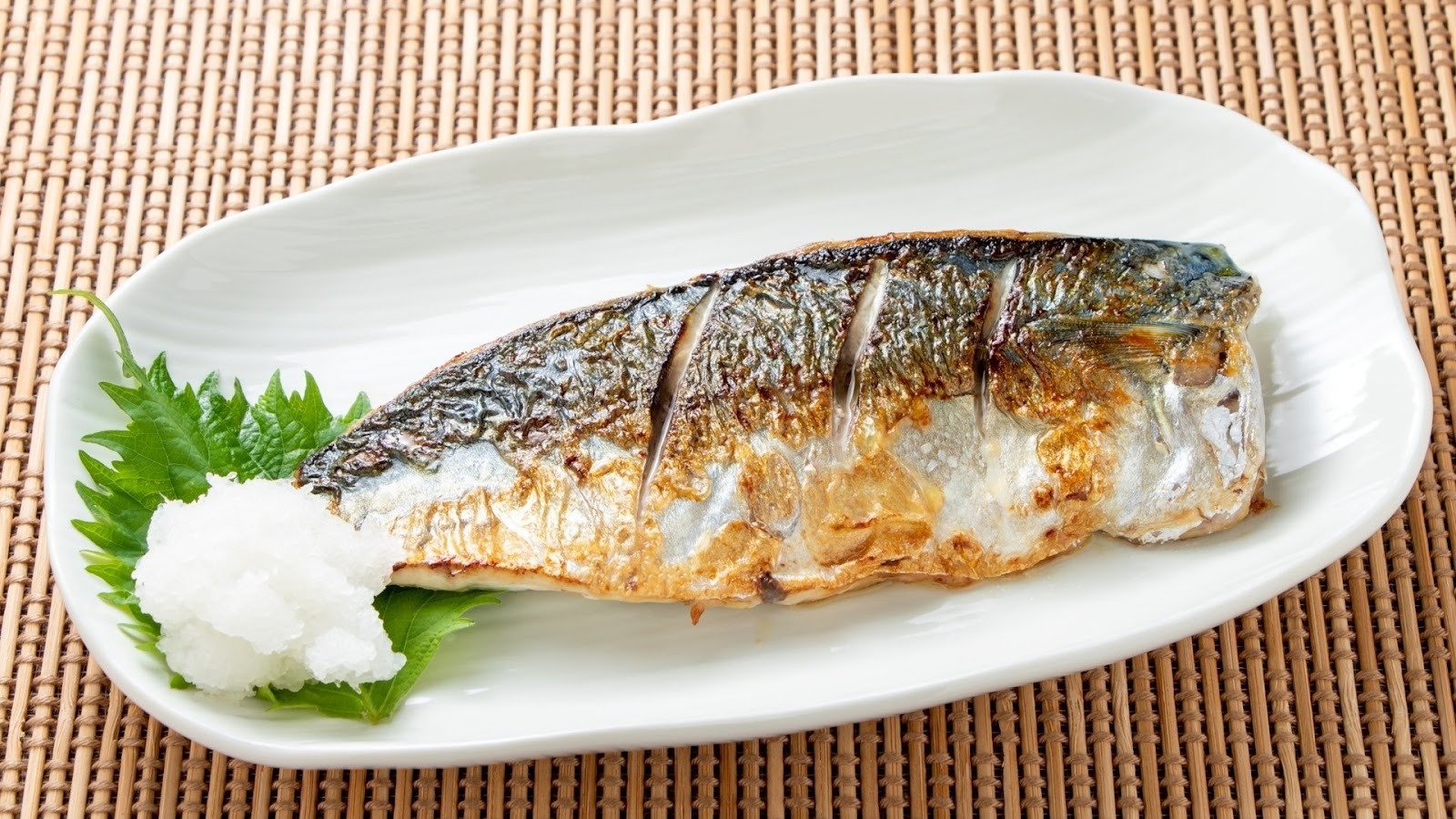
Hammour is a local reef fish often chosen for grilling because it holds together over heat. When cooked properly, it stays moist inside while the outside picks up light char from the grill. The flavour is mild and slightly sweet, which is why it’s usually served with little more than salt, oil, and lemon.
This is for diners who like fish without fuss. Hammour should flake easily with a fork, stay juicy through the centre, and taste clean rather than oily.
On the plate:
Where it’s done best:
Bu Qtair, Jumeirah, is known for grilled hammour cooked simply and served straight from the pan, letting the fish speak for itself.
Also Read: Drinks and Dining that Set the Scene for a Girls' Night Out in Dubai
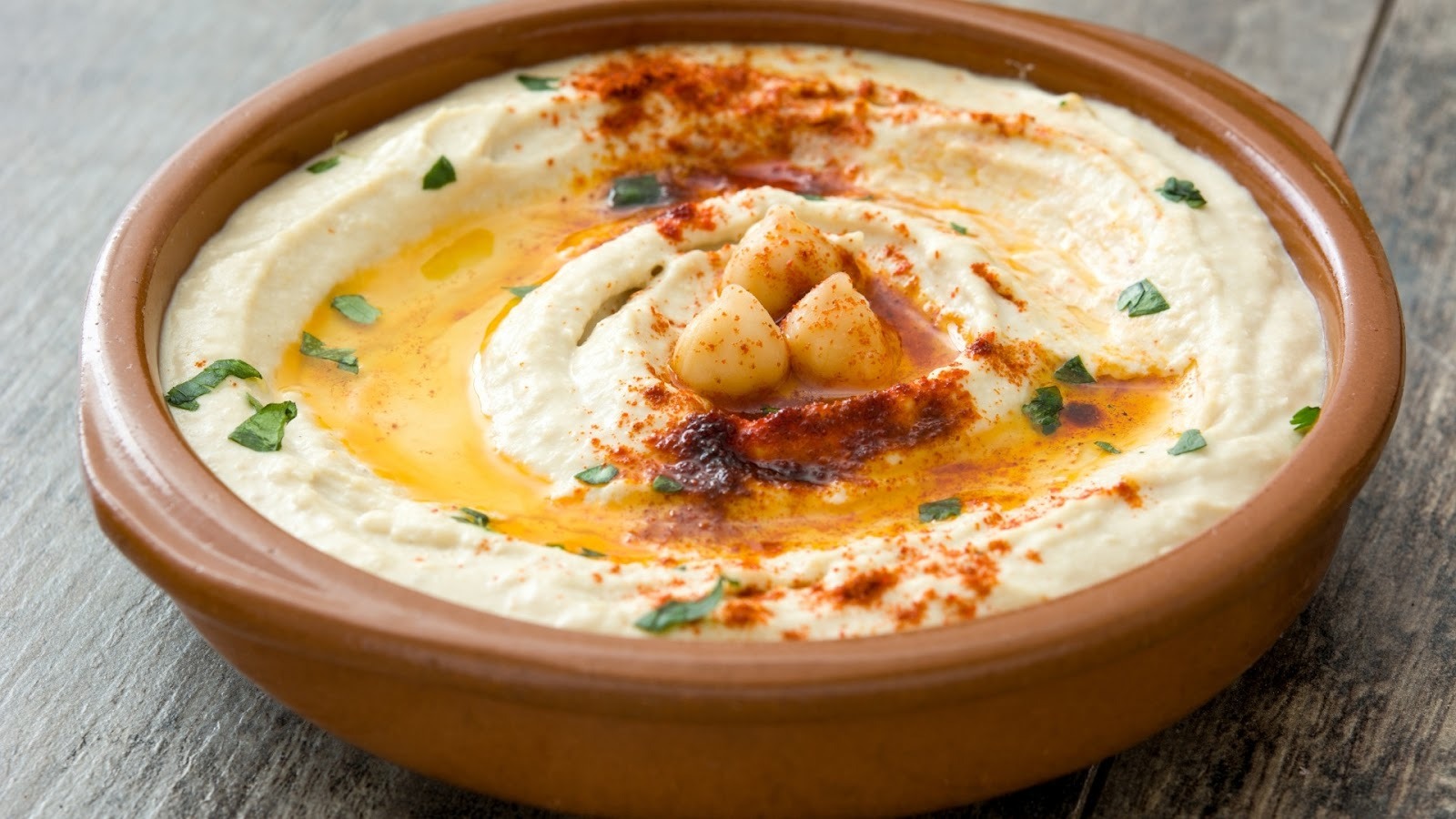
Hummus is cooked chickpeas blended to a smooth paste with tahini, lemon, and garlic. When done properly, it’s served fresh and warm rather than cold from storage. The olive oil sits on top, not mixed through, and the bread arrives hot enough to tear, not toast.
This is for diners who like food that’s simple and filling without being heavy. Hummus should feel smooth on the tongue, taste nutty and light, and finish clean without bitterness.
On the plate:
Where it’s done best:
Al Safadi, Sheikh Zayed Road, serves hummus fresh and warm with khubz straight from the oven, keeping the dish close to how it’s meant to be eaten.
If this kind of simple, warm start appeals, DOORS Dubai carries the idea into the morning. Its Signature Breakfast, served from 10 a.m. to 4 p.m. at AED 150 for two, includes two selected dishes, tea or coffee, and a welcome juice; designed for unhurried morning dining.
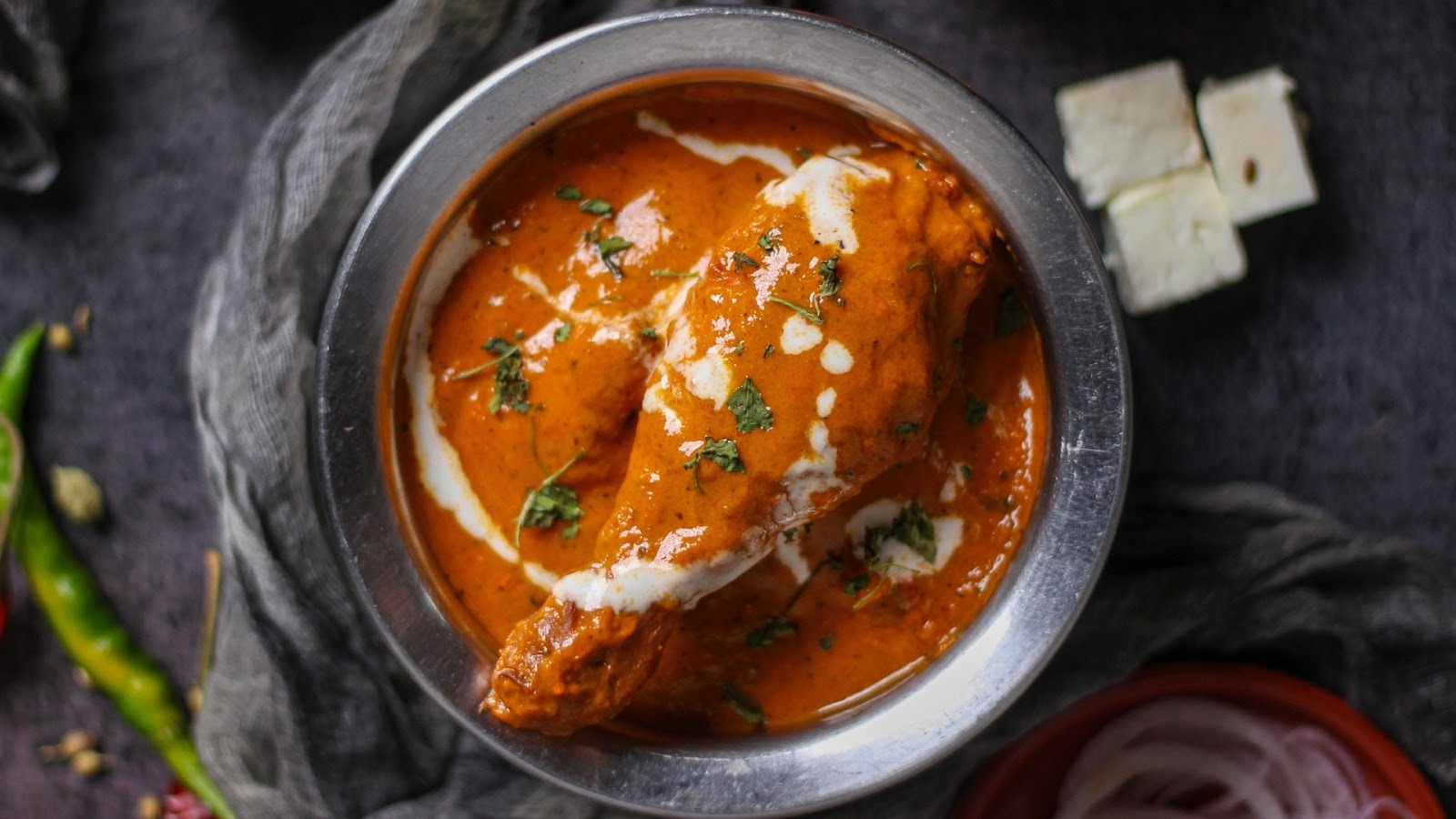
Butter chicken is chicken cooked in a tomato-based gravy finished with butter and cream. The sauce should be smooth and lightly spiced, not sweet or oily. The chicken is first cooked separately, then added to the sauce to keep it tender rather than breaking apart.
This suits diners who want comfort without heaviness. Butter chicken should taste rounded and warm, with the spice supporting the dish rather than taking over.
On the plate:
Where it’s done best:
Ravi Restaurant, Satwa, is known for butter chicken that stays simple and consistent, with a sauce that coats without overwhelming the meat.
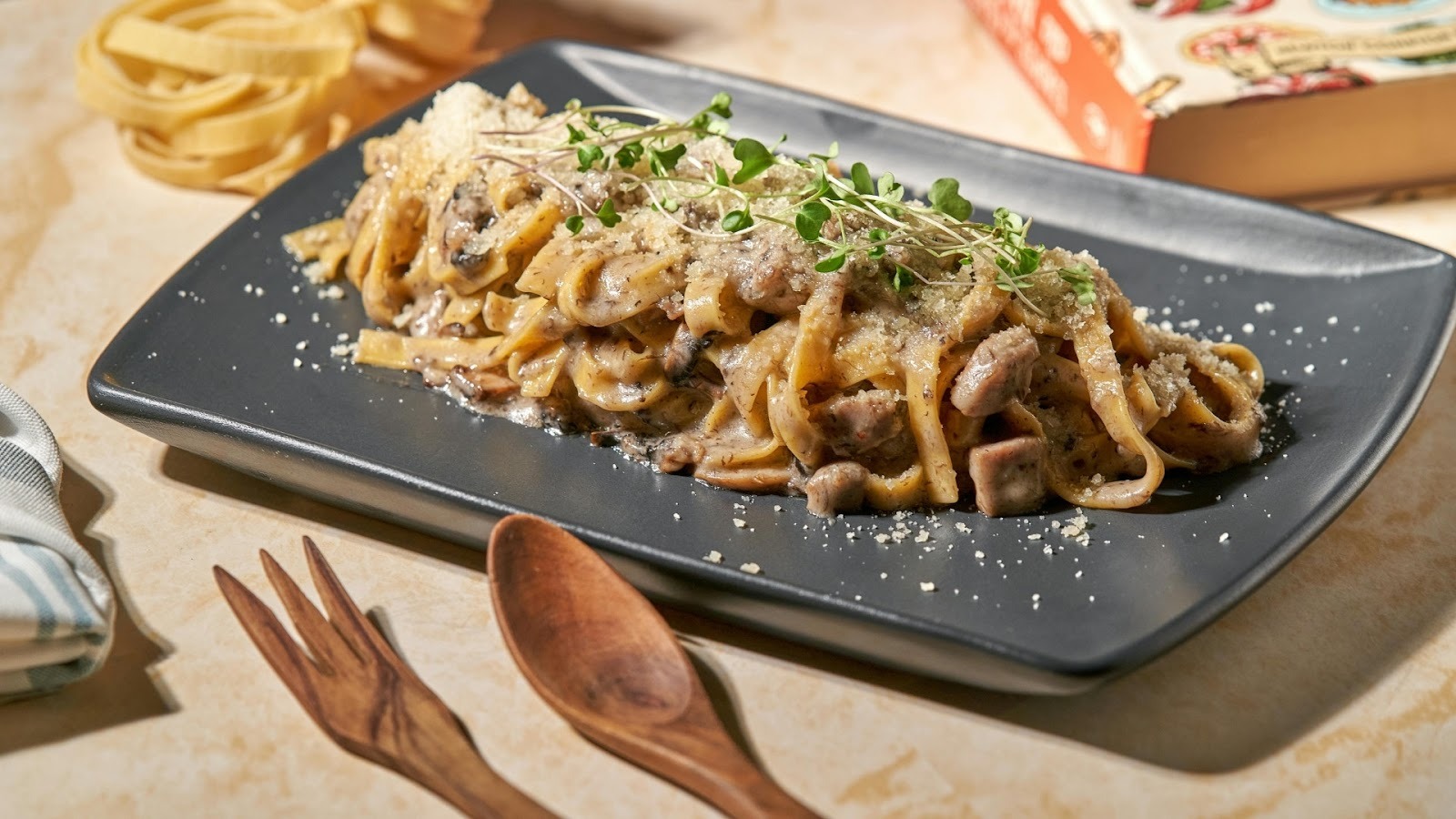
Fettuccine coconut pasta pairs ribbon-like noodles with a creamy coconut sauce, often accented with mild spices, lime, and fresh herbs. The sauce should coat each strand without feeling heavy, letting the natural fragrance of coconut and citrus carry the dish. This is best when the pasta is al dente and the flavours feel balanced, not sugary or too rich.
This suits diners who enjoy gentle, layered tastes. The pasta should feel smooth on the tongue, with a hint of tang and a light, lingering aroma rather than fullness that weighs you down.
On the plate:
Where it’s done best:
At DOORS Dubai, the fettuccine coconut pasta is prepared with balance and care, keeping the sauce light and the pasta the focus.
Some dishes are meant to be shared slowly, best enjoyed when the table stays full longer. For mornings that turn into afternoons, Grateful Gatherings Over Brunch in Dubai looks at where the city gathers without rushing.
The best way to eat through Dubai is not to chase everything at once. Follow cravings, try one dish properly, leave room for another. Let variety come from movement across the day, not excess at a single table. By evening, the search usually narrows to one need: a place that can hold the appetite you’ve built.
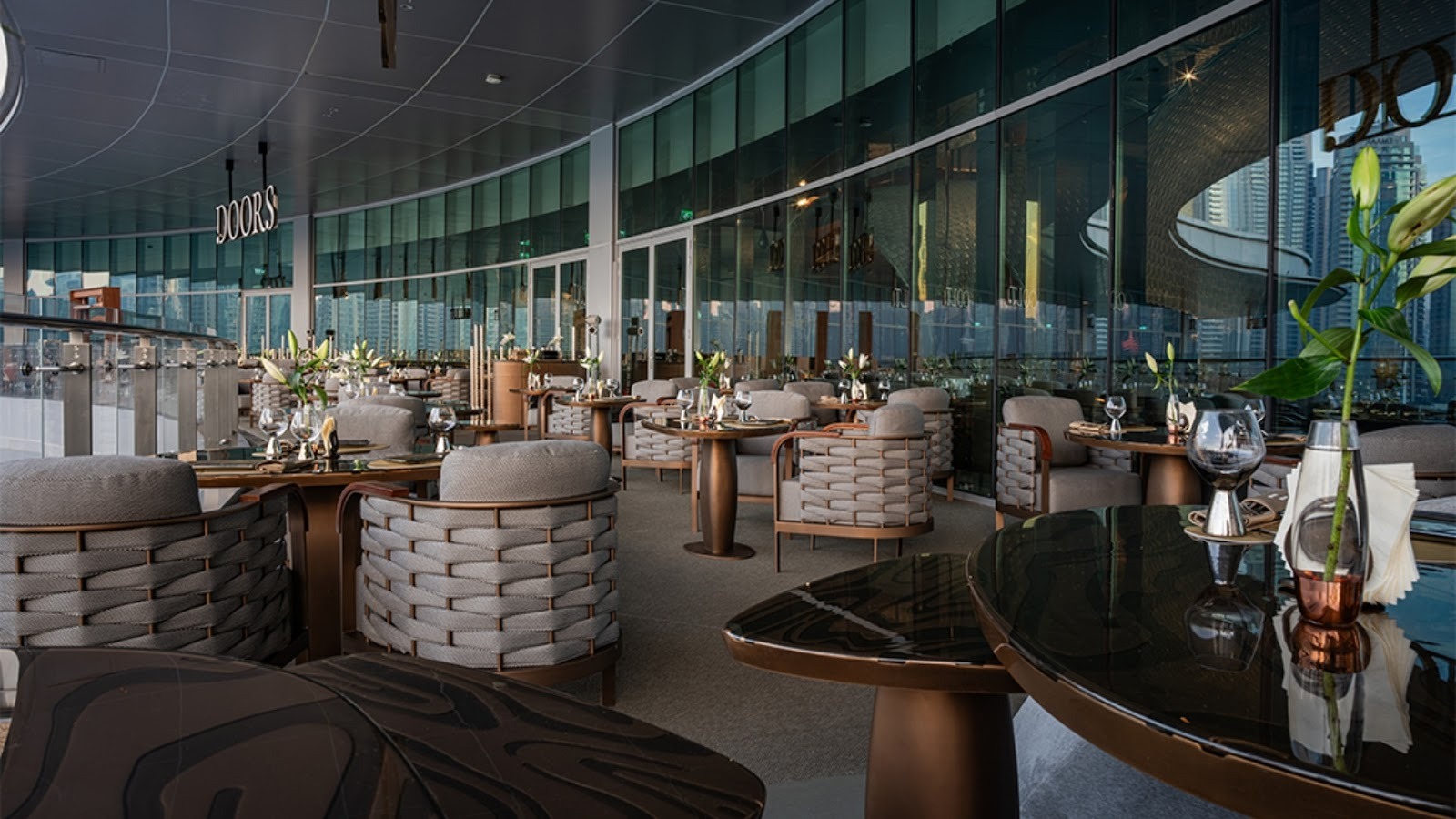
Set at one of the highest vantage points overlooking the Dubai Fountain, DOORS Dubai offers that conclusion. Under Chef Kemal Çeylan, the menu moves comfortably across premium-cut meats, seafood, fresh salads, and desserts, drawing on familiar flavours shaped with a modern hand.
For those seeking something more private, the Presidential Table unfolds as a 17-course dinner, served with a personal butler and runner, where each course arrives as part of a carefully paced evening at the table.
When the choices are done and the city settles, the table is already awaiting you.
Some of the most reliable dishes include Wagyu steak, shawarma, chicken biryani, mandi, Iranian kebab with saffron rice, sushi rolls, grilled hammour, hummus with khubz, butter chicken, and coconut-based pasta dishes.
The best approach is to follow the dish rather than the menu: steak at places known for grilling, shawarma where meat is sliced fresh, rice dishes from kitchens that cook in batches, and sushi where rice and fish are prepared to order.
Dubai’s food scene reflects a mix of influences. Many of its most popular dishes come from Middle Eastern, South Asian, Iranian, and Japanese kitchens, shaped by the city’s long history as a trading and migration hub.
Rice dishes such as chicken biryani and mandi are best eaten at Pak Liyari and Maraheb, where the rice and meat are cooked together in large batches rather than assembled to order.
DOORS Dubai, located at Fashion Avenue Expansion, Level 4, offers a menu spanning premium meats, seafood, salads, and desserts, allowing diners to explore multiple dishes without having to change locations.

Explore the best brunch places in Dubai, offering luxurious settings, diverse flavours, and unforgettable dining experiences across the city's top venues.


Discover the best birthday brunches in Dubai, where luxury, live entertainment, and exquisite cuisine come together for an unforgettable celebration.

Not all sunsets feel the same. Discover sunset places in Dubai where the light, setting, and moment align.

.svg)